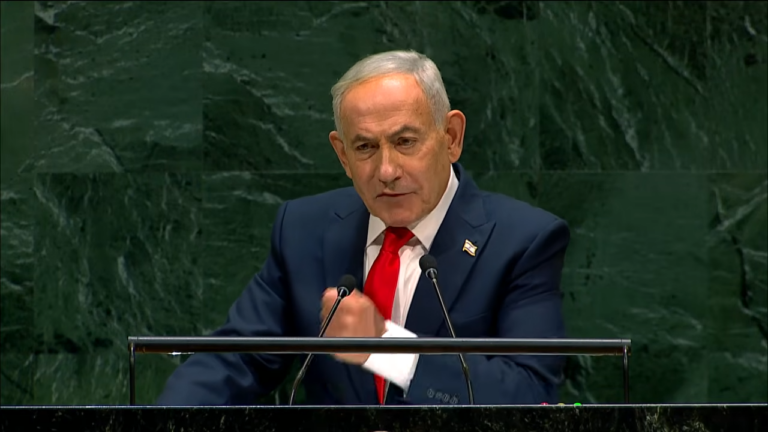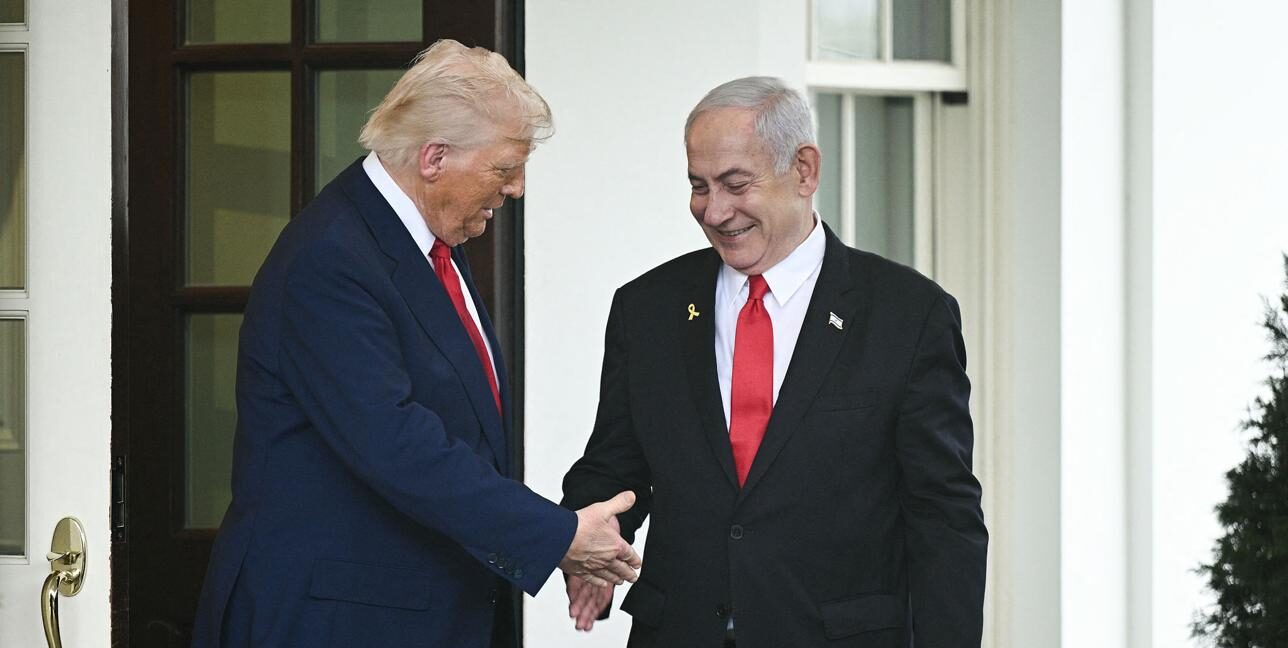
On Sunday, October 18, U.S. President Donald Trump threw in his official endorsement behind Israeli Prime Minister incumbent Benjamin Netanyahu just ten days before national elections for the Israeli parliamentary Knesset on October 27. Posting on Truth Social, Trump called the Israeli premier a “great warrior prime minister” and ally in their joint fight against Iran. “Bibi Netanyahu has been Strong, Brave, and Brilliant in the face of tremendous opposition, including that coming from Israel itself,” Trump stated.
Read more NFL Games Are Getting Longer. Will More Instant Replay Make Things Worse?
The U.S. president’s endorsement came as a surprise to Netanyahu who thanked his “dear friend Donald” on X and pledged that as the next prime minister, “Together we will complete the mission!”
The endorsement, however, may speak more to the ongoing Iran war than anything else.
Since Trump took office in January 2025, the two leaders have gone through oscillating waves of criticism toward one another. Trump has been critical of Israel’s handling of the wars in Gaza and Lebanon, while Netanyahu often criticizes Trump for the level of U.S. military involvement in Iran. However, Trump sees Netanyahu much as he views himself; a strong and reliable leader who is unfairly persecuted in his own country with bogus criminal charges.
Netanyahu has been standing trial for the past five years on alleged charges of bribery and fraud. Prosecutors allege that Netanyahu promoted regulatory decisions and offered personal support to media agencies and business shareholders of telecom companies in exchange for positive political coverage. According to one account, he allegedly received cigars and champagne in exchange for political favors. Netanyahu has persistently denied any wrongdoing.
In November 2025, Trump sent Israeli President Isaac Herzog an official letter stating that while he respects the independence of Israel’s justice system, he nonetheless urges the full pardon of Netanyahu who is facing “a political, unjustified prosecution.” “Cigars and Champagne, who the hell cares about that?” Trump said before the Knesset after brokering the release of Israeli hostages in Gaza in October 2025.
Trump’s political endorsement this week comes as a sign of strengthened partnerships as both the U.S. and Israel face important elections this fall and both leaders are weighing the possibility of renewed strikes against Iran.
The national election in Israel on Tuesday, October 27, will be the first in three years since the Hamas attack in 2023 plunged the country and region into war. The elections are parliamentary. When Israelis go to the polls next week, they will be voting for a single political party, not a candidate. Each political party has already selected and promoted its leader as a candidate for prime minister.
The percentage of votes that each party receives will constitute the percentage of seats the party will fill in the 120-seat Knesset. For example, a party that receives 15 percent of the national vote will fill 12 seats. The prime minister is then chosen by the party that gains at least 61 seats. Since a single party rarely achieves this majority, alliances must be formed with other parties to form a coalition. The dominant party of the 61-seat coalition then presents its leader as the candidate for prime minister.
After elections, the president will meet with the elected parties to determine who has the greatest potential to form a coalition government. The majority party’s leader is then given a 28-day period to form a government.
Read more Hollywood’s Feminist Reckoning: The Girlboss Era Is in Trouble
In recent years, Netanyahu’s Likud party has had to form alliances with ultra-religious parties in order to maintain the coalition majority. Israel’s current government, therefore, has been characterized by Likud’s strong military and democratic posture, while also succumbing to the wishes of religious leaders who are fighting to keep ultra-orthodox Jews out of obligatory military service, and maintain a tight ultra-orthodox grip on immigration and internal policies.
The incumbent government is now being challenged by a cohort of new parties and leaders on both the political right and left who perceive Netanyahu’s right-wing religious-nationalist coalition as having failed the country and no longer serves the needs of the people.
New competing right-wing parties, such as Yashar (meaning “honest,” or “straight”) led by former IDF chief of staff Gadi Eisenkot, and B’Yachad (meaning “together”) led by Naftali Bennett and Yair Lapid, still propose a strong military posture toward the ongoing wars and internal violence in the West Bank, but have expressed reservation over cooperating with the demands of religious parties. On the left, the new Democrats party led by Yair Golan, is proposing diplomatic over military initiatives to end Israel’s wars. Golan’s Democrats have also offered a platform of progressive proposals for strengthening social services and the education system, and publicly back the inclusion of Arab political parties and negotiations with the Palestinian Authority.
All opposition parties, across the political aisle, blame Netanyahu for October 7, 2023, and criticize him for failing to take subsequent responsibility for the catastrophe. They also collectively accuse his government of eroding the democratic framework through judicial overhauls that allegedly shift power from the judiciary to the executive and legislative branches.
Netanyahu, for his part, is running on the record of Israel’s military successes from the past three years. The elimination of Hamas and Hezbollah’s leadership and successful campaigns against Iran, he argues, is evidence that the country has only grown stronger under his watch. The premier also boasts that his decades of diplomatic service and close relations with the U.S. will ensure Israel’s stable future.
Polls are reporting that the election next week will be close. Some polls are predicting that Netanyahu’s government may lose the majority in the Knesset, but the opposition may also not be able to form a new coalition government. This will leave Netanyahu as caretaker of the government until another election can be taken.
Trump’s endorsement certainly ruffles many feathers in Israel in light of Netanyahu’s opponents and the declining support for Trump. Israeli public support for Trump spiked after the release of the Israeli hostages in Gaza in October 2025, but quickly diminished when his rushed Gaza peace plan failed to curb the ongoing conflict in the Gaza Strip. His popularity has further diminished over disagreements in both Jerusalem and on the streets in how the Iranian war and Iran’s missile and nuclear capabilities should be handled.
The endorsement, however, may speak more to the ongoing Iran war than anything else. The recent dispatch of the USS Theodore Roosevelt to the Middle East — the third U.S. carrier strike group in the region — corroborates the rumblings in Washington and Jerusalem about renewing the Iranian war after the U.S. midterm elections in early November. The outbreak of a new conflict before any new parliamentary offices have been solidified in Jerusalem would see Netanyahu remain in office during the interim war period. A tried and tested warrior prime minister, such as Netanyahu, would certainly be Trump’s top pick as a regional ally when the fighting resumes.
Read more Poland’s Enemies, Foreign and Domestic
READ MORE from Bennett Tucker:
Houthi-Saudi Conflict Tests Regional Alliances
Israeli Military Responds to Controversial NAZA Film
The flydubai Terror Attack Tests Middle East Security and Diplomacy
About the Author