The word was out.
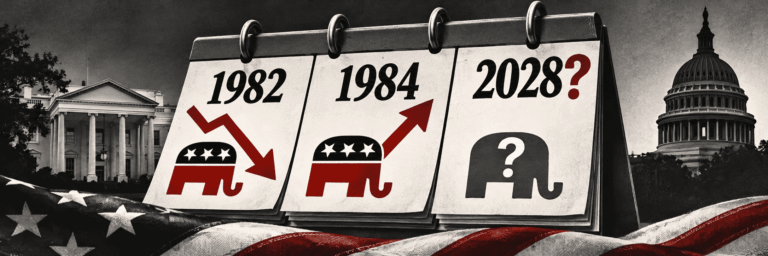
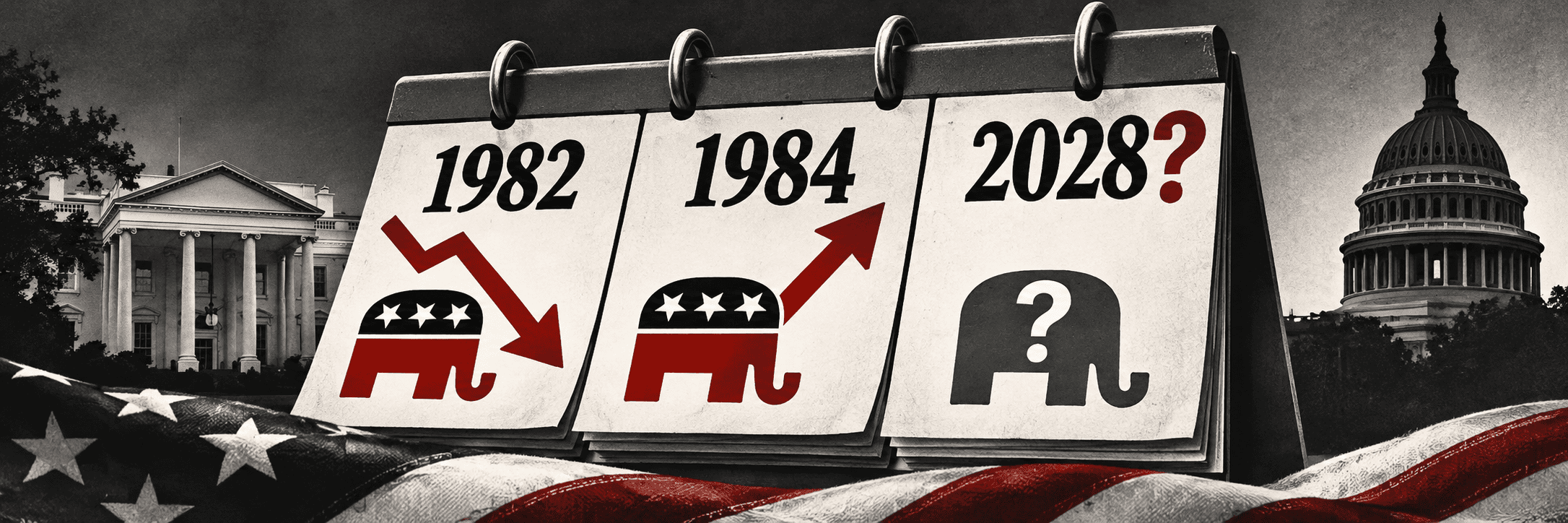
The 1982 Reagan midterm elections had been a disaster. Democrats clobbered the GOP. The Dems carried the national popular vote in an 11.8 point margin, which translated into a gain of 26 House seats and one Senate seat.
Read more The Spectacle Ep. 484: Anthropic’s IPO Problems, and the Rise of Local AI
How well I recall the fear and trepidation that swept through the Republican ranks. After all, Reagan himself would be on the ballot in another two years in 1984. Things did not look good for either Reagan or Republicans.
And then.
The 1984 elections arrived. And Reagan was re-elected in a historic 49 state landslide.
Which is to say, elections come — and they go. A party that wins an election can, a mere two years later, find itself on the losing side. And two years after that it can be back on the winning side.
In short, the gloom and doom that has settled on today’s Republican Party in the aftermath of the 2026 elections is nothing if not shortsighted. (READ NEXT: The White Pill After the Red Wedding)
There is no one out there who knows what the American political scene will be like when the 2028 election finally arrives. There is but one certainty. That would be that President Trump, his second term almost completed, may well, as the incumbent President, still dominate the political scene — but he will not be on the ballot. (READ NEXT: 2028 Begins!)
That opportunity to be the 2028 GOP nominee may go to Vice President JD Vance, Secretary of State Marco Rubio, Texas Senator Ted Cruz or even someone not currently now on a short list of possible nominees.
Read more At Last, Officials Question ‘Housing First’
Not to mention that in this crazy world of ours, who knows what politics-changing event or events plural can sweep in and change the political scene.
Three spectacular examples of the latter?
On the morning of Nov. 22, 1963, polls showed that President John F. Kennedy was likely to face — and beat — Arizona Republican Senator Barry Goldwater, a decided conservative, in the 1964 presidential election. Then, horrifically, the news arrived that on a campaign style trip to Dallas, Texas, JFK had just been assassinated. Suffice to say the political scene of the day was instantly in turmoil. By the time the 1964 elections arrived the Democrats’ nominee was JFK’s Vice Presidential successor, Lyndon Johnson. And Johnson clobbered Goldwater in a decidedly unexpected election set up.
Then in 1974, ensnared in the Watergate scandal, President Richard Nixon came on TV to announce he was resigning the presidency. He would be succeeded by his vice president, Gerald Ford. All of this astonished in the day, and the commotion helped Democrats turn to what was seen as the unlikely choice of Georgia’s relatively unknown Governor Jimmy Carter. And Carter, fresh face on the scene, went on to win.
To go even further back to 1945, Democrats and the rest of the nation were astonished to learn that their just-re-elected President Franklin Roosevelt had died suddenly at his Warm Springs, Georgia retreat. Thrusting a relatively unknown Vice President Harry Truman into the presidency. And shocking the political seers of the next election in 1948, Truman scored and upset victory over the supposed “sure thing” GOP nominee New York Governor Tom Dewey.
All of which is to say, as America starts preparing for the 2026 Thanksgiving holiday, with Christmas and Chanukah appearing shortly thereafter, it is far too early to assume anything about the 2028 election.
It is, however, safe to say that anything could happen. And the best thing Americans can do in the run-up to the 2028 election?
Read more A Republican Guide to Losing the Midterms
Buckle up. The 2028 political circus is looming.
READ MORE from Jeffrey Lord:
Trump’s Last Two Years: An Opportunity
Elections Have Consequences
The Trump Era Marches On
About the Author