Consumer sentiment and spending seem at odds. Confidence remains depressed, and yet spending continues to fuel the economy.
Read more Houthi-Saudi Conflict Tests Regional Alliances
A simple explanation for this paradox is that consumers are spending more because they don’t have a choice, even if they aren’t happy about it. One example of this is driving.
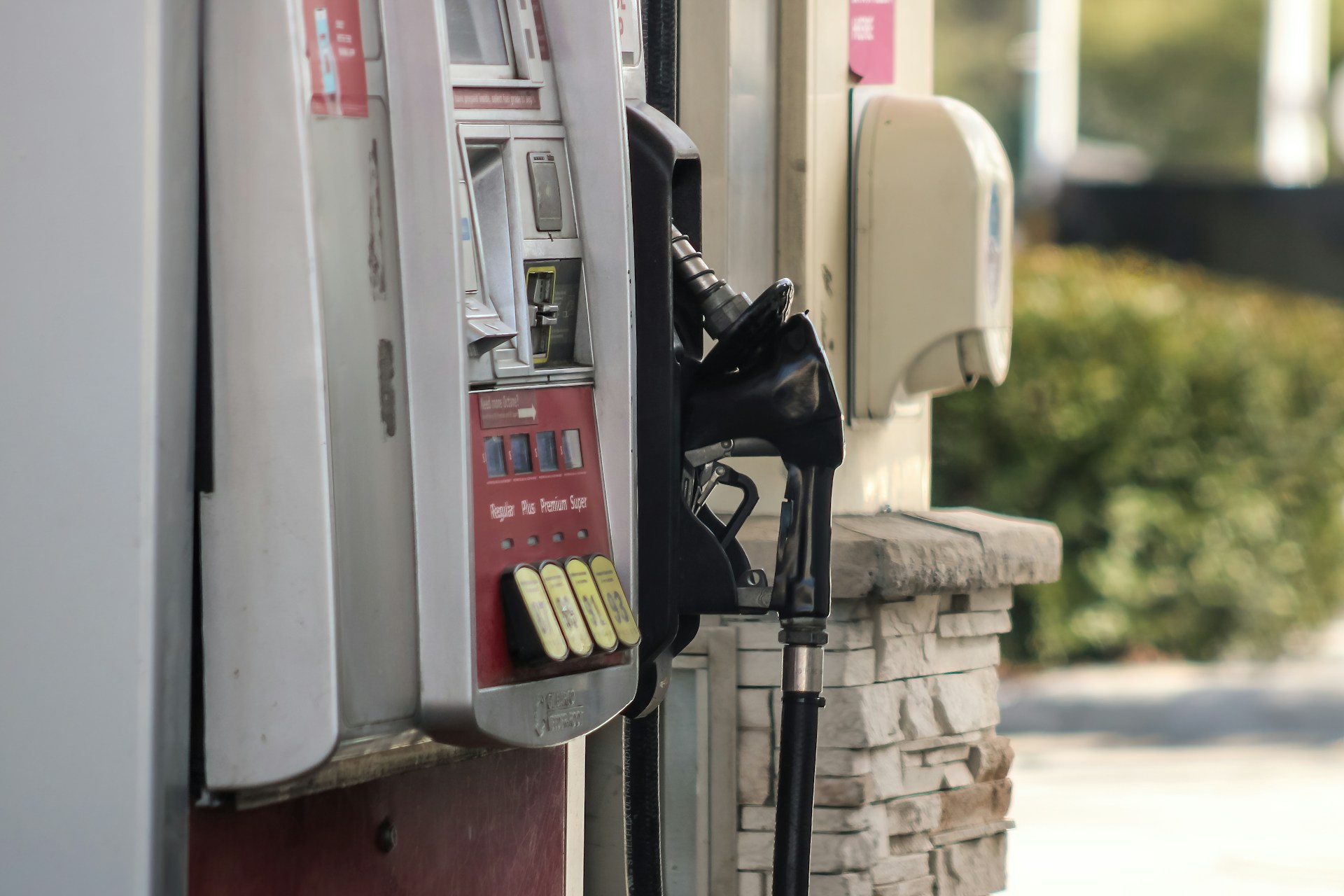
Despite a 2026 average fuel price near $4.46 a gallon, Americans continue to add high mileage to their vehicles. Americans drove 3.32 trillion miles in 2025, which is a 1 percent increase year-over-year.
In our car-centric culture with thin transit options, driving is a necessity. So, higher fuel costs are eating budgets that would have been spent elsewhere.
Fuel isn’t the only expense to operate a vehicle, and those costs are rising, too. Generally, competition in a free market keeps prices in check, but prolonged uncertainty, particularly around trade policy, has added a premium to the mix of market forces.
Researchers forecast automakers will sell 15.9 million new cars in 2026, down 2.6 percent year-over-year. One reason is that new cars have hit record-high prices. The average payment on a new car has swelled to $770 a month.
Consumers realize maintaining their existing car is significantly less expensive than buying a new one. The average age of a U.S. car has grown to 12.94 years in 2026. Many are older — about one-third (29.1 percent) of the vehicles in operation have 16-plus years of wear and tear.
Older vehicles require more work, which adds demand for replacement parts. In addition, manufacturers have typically supported a given model for about 10 years. With an aging fleet that’s still adding miles, that obligation stretches another three to five years.
Variety Brings Complexity to Production and Inventory
Federal stimulus for battery electric vehicles has ended, although electrification remains incentivized by rising fuel costs. However, it’s a transitional period and hybrids are outpacing battery electric vehicles for now. This spreads the mix of powertrains in the market today, which is still predominantly internal combustion engines (ICE).
Consequently, original equipment suppliers have to adjust production and inventory to supply a greater variety of parts. Where suppliers have decades of data to accurately estimate and plan for the replacement cycle for ICE components, it’s an educated guess, at best, in the still nascent market for EVs and hybrids.
Read more El-Sayed’s ‘Medicare for All’ Plays Well With Voters. It Won’t If It Ever Becomes Law.
Ensuring repair shops have access to the right part and on time is going to present a learning curve. Real costs for consumers are liable to show up in expedited freight charges when their vehicle needs a new part.
Vehicle Maintenance Costs Outpace the CPI
The consumer price index for vehicle maintenance and repair has averaged 6.1 percent for the past two years. This has fallen slightly from its high; however, we expect it will remain above the overall CPI, which is expected to finish 2026 with an average growth rate of 3.4 percent.
The trend to watch is demand levels for lower-quality replacement parts. These offer short-term savings but cost more in the long run. Tires are the quintessential example. Replacing tires with a set rated for 30,000 miles, as opposed to 70,000, reduces the momentary transaction cost but drives up the cost-per-mile in the long run.
A March 2026 AAPEX survey found 53 percent of aftermarket businesses seeing greater demand for lower-cost parts, even as quality remains the top purchase influence. In other words, consumers, at the moment, are seeking more value per dollar, not the cheapest part.
Uncertainty Is the Wild Card in the Automotive Forecast
The automotive industry is quite capable of responding to these market forces. Competition invariably supplies alternatives or substitutes that keep costs, and therefore prices, low. The one factor the market can’t account for is uncertainty around trade.
Uncertainty hits the automotive industry especially hard because the efficiency that ensures competitive pricing was built on a complex global supply chain over decades. Whether a part is being delivered to an assembly line, retail store or repair shop, it’s likely crossed multiple international borders during production.
It’s not that the process can’t change — it can — but it takes time and few companies are willing to even begin when the starting assumptions are fluid. We hear this from automotive industry leaders at conferences, private meetings, site visits and in our polling. For example, the aforementioned AAPEX survey found uncertainty is the top challenge facing the industry.
To be clear, this is neither an indictment nor advocacy for any one policy. Instead, it’s an appeal for a knowable and durable direction on which the automotive industry can place rational bets. In other words, the industry is collectively saying, ‘Give us certainty in the rules and we’ll find a way to win and keep costs to consumers in check.’
Emily Poladian is the president of MEMA Aftermarket Suppliers, which co-produces AAPEX.
Read more The Spectacle Ep. 477: DataRepublican Exposes Who Really Runs America
About the Author