Around 89 percent of Californians vote by mail, which is understandable given the increasing complexity of our ballot choices. I’ve spent more time than most people reading the details of every proposed initiative and have even met with supporters and opponents of many measures, yet I still need to review my ballot carefully given the large number of detailed proposals. It would be hard to remember all of this at a voting station, but much easier at the kitchen table.
Read more The Spectacle Ep. 480: The Islamic Influence Fueling the France Riots
Progressive Gov. Hiram Johnson helped institute California’s unique system of direct democracy, with its initiatives, referenda, and recall measures. In his second inaugural address in 1911, Johnson admitted this system is not “the panacea for all our political ills,” yet he believed they “give to the electorate the power of action when desired, and they do place in the hands of the people the means by which they may protect themselves.”
One hundred fifteen years later, it’s been a mixed bag. Conservatives have traditionally been hostile to direct democracy for obvious reasons. Our founders wanted legislatures to do most of the lawmaking to control the passions of the people. However, modern progressive have dominated the California government for so long that the ballot box has long been the best way to circumvent a Legislature that often is out of touch with voters.
Practically speaking, California voters vote far more conservatively on ballot measures than they do for candidates. Direct democracy has provided good results, such as property-tax-limiting Proposition 13, and bad ones, such as insurance price-controlling Proposition 103. In November, voters are looking at some far-reaching proposals.
The most notorious one, which has garnered national attention, is Proposition 40, or the “Billionaire Tax Act.” This would impose a one-time 5 percent tax on the state’s wealthiest residents and spend 90 percent of the money on healthcare services. It’s applied retroactively. This is a great example of how the initiative process, which was designed by Johnson to battle special interests, often is a tool of those interests. The main proponent is a healthcare union that would benefit from the funding.
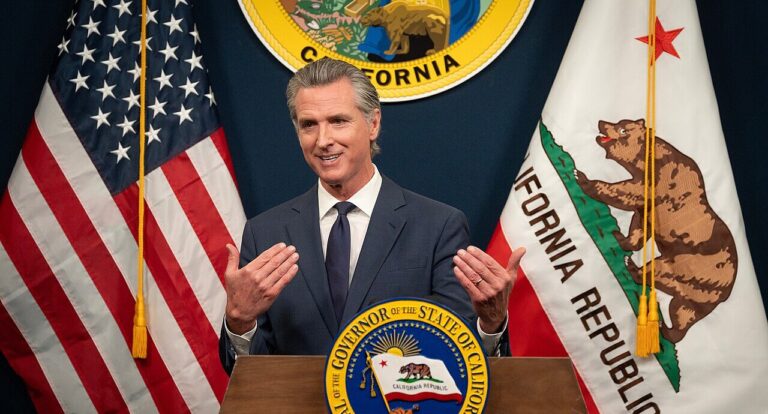
Even California Gov. Gavin Newsom has strongly opposed the tax, as he argues it will cause wealthy people and entrepreneurs to flee. California’s progressive tax structure means the state budget is highly dependent on capital-gains revenues, so responsible Democrats understand the likely impact. Polls show it’s slightly ahead at 46 percent to 43 percent, but successful measures typically need to be above 50 percent this late in the game. And Politico also reports a push by Bernie Sanders hasn’t helped.
Newsom has defied his own party by publicly supporting Proposition 42, which is one of two measures that would negate the tax. If they all pass, the measure with the highest vote count would go into effect. “We all agree that Californians deserve to have their retirement and life savings protected from new state taxes so those savings are there when they need them,” Newsom said regarding Prop. 42, which would ban new taxes on financial aspects and personal property.
Proposition 41 would “require new special-tax revenues to count toward the Gann Limit — the 1979 constitutional amendment that caps the revenue the state can spend each year, therefore blocking Prop 40,” the Southern California News Group explained. I support anything to stop this tax spree, but you see how insanely complicated this gets. Voters need to understand the main tax measure, wrestle with defensive measures, and perhaps even do research on a 47-year-old spending limit.
Proposition 39 is relatively simple, as it imposes a Voter ID system on California elections. But even that one isn’t entirely clear how it would be implemented.
Read more No Kings Rallies Were No Big Deal
Proposition 45 is arguably the second most significant measure, but it’s a doozy to understand. California’s “landmark” environmental law, the 1970 California Environmental Quality Act (CEQA), is widely viewed as an impediment to all types of construction, as it invites lawsuits from any stakeholder and requires voluminous Environmental Impact Reports. The Legislature has chipped away at CEQA requirements on a piecemeal basis for certain types of projects, but it remains a costly burden. This would try to streamline the law in a broader way.
Per the Legislative Analyst’s Office: The measure “creates new procedures for reviewing certain types of projects that it defines as ‘essential.’ … The proposition (1) tightens time limits for CEQA review, permits, and court challenges; (2) changes parts of the CEQA review process; and (3) changes the court’s review process for CEQA lawsuits. The proposition gives eligible project applicants the option of using the new procedures or existing procedures.”
That’s a lot for an average voter to understand — and voters tend to vote “no” when measures become so complicated. The measure has gotten caught up in public angst about data centers. It’s unlikely to apply to them, but that won’t stop opponents from raising the possibility that it will jumpstart those unpopular projects.
And there’s lots more to consider on the ballot. Proposition 2 would increase the state’s rainy day fund, which sounds like a good idea for those with a fiscally conservative outlook. But it’s arguably a ploy by Democrats to enable more spending. As the official opposition argument notes, it would create “a loophole that makes taxpayer rebates less likely by excluding reserve deposits from California’s constitutional spending limit.”
There’s also a measure to extend a “temporary” income tax hike (Proposition 3) and three bond measures (Propositions 1, 37, and 38). One particularly nasty measure (Proposition 44) would require community clinics to spend 90 percent of their funds on programs, but critics see it as a union effort that could actually shutter clinics that serve poor residents. Then there’s a measure to promote public campaign financing (Proposition 4) and another that changes the state’s recall election rules (Proposition 5). Proposition 43 is good as it would require a two-thirds vote for local special taxes, but it has a really complicated history.
There’s an old economic saying called “,” whereby people tend not to invest extensive time in an effort where they can’t have much impact. No one can realistically affect the outcome of any California election, yet our voters practically need a PhD in political science to intelligently fill out our ballot. I’ve made my peace with our initiative system, but this year’s election gives me pause.
Steven Greenhut is Western region director for the R Street Institute. Write to him at [email protected].
Read more The French Revolution of the 21st Century: From the Guillotine to the Suicide Vest
READ MORE by Steven Greenhut:
Why Prediction Markets Are a Safe Bet
Robotaxis Make Headway in California
With Republicans Like These, Who Needs Democrats?
About the Author