Conflict between Houthis rebels in Yemen and the Kingdom of Saudi Arabia escalated after four days of continuous Houthis missile strikes on Riyadh’s international airport left 13 dead and over 300 wounded.
Read more El-Sayed’s ‘Medicare for All’ Plays Well With Voters. It Won’t If It Ever Becomes Law.
The first of the daily missiles strikes on King Khalid International Airport occurred on October 7 in response to Saudi’s renewed military involvement in the ongoing Yemen civil war between the Iranian-backed Houthis rebels and the internationally recognized Yemen government. The Saudi-led coalition forces in Yemen succeeded last month in driving out Houthis positions in Yemen’s southern Bab al-Mandeb coastal region. This critical area along the Red Sea had been the Houthis stronghold for launching attacks on international shipping between the Mediterranean Sea, via the Suez Canal, and the Indian Ocean. With intermittent closures and security threats in the Strait of Hormuz because of the U.S.-Iran war, the Bab al-Mandeb Strait has been vital to the global movement of Saudi oil and energy.
The missile strike on October 10 at Riyadh airport was the deadliest attack on the kingdom in more than a decade. The airport is expected to remain closed until October 17, with many international carriers suspending flights until 2027. At the start of this week, Saudi and Houthis forces have exchanged tit-for-tat strikes targeting each other’s transportation and energy infrastructure.
The deadly airport attacks exposed vulnerabilities in Saudi Arabia’s defense capabilities. Early warning systems failed to detect the incoming Houthis missiles or activate air defense interceptors. According to an ongoing investigation, the Houthis fired multiple barrages of drones to overwhelm defense systems before a mix of cruise and ballistic missiles landed on King Khalid International Airport. Saudi air defense interceptors are also reportedly running low following the past five days of continual aerial assaults.
This week’s escalation is far from an isolated conflict. The U.S.-Israeli war against Iran launched earlier this year reached regional proportions as Iran retaliated with missile and drone strikes against Muslim countries allied with the U.S. and Israel. Saudi Arabia is not only a stable and strategic ally to the U.S., but a longstanding enemy of Iran. The recent Houthis attacks on Riyadh are as much about the widening frontiers of the ongoing Iranian conflict as they are about the localized Yemen civil war.
Ironically, Iranian Foreign Minister Abbas Araghchi reached out to his Saudi counterpart, Saudi Foreign Minister Faisal bin Farhan, through a phone call over the weekend offering to mediate talks between Riyadh and Sanaa in order to resolve the current conflict diplomatically. “We do not want hostilities to continue between two Muslim countries, especially as the region is already facing tensions caused by the United States and Israel,” Iranian Foreign Ministry spokesperson Esmaeil Baghaei stressed. So far, Riyadh has not accepted Iran’s offer for dialogue.
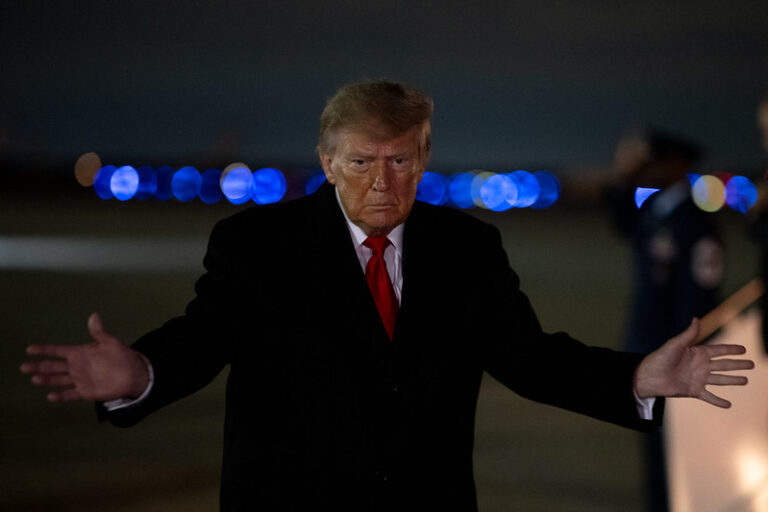
Saudi Arabia has been seeking international support to curb the Houthis threat. Riyadh has repeatedly asked Washington to intervene and renew its offensive against the Houthis ever since the U.S. entered into a peace agreement with the Yemen terrorist group last year. U.S. President Donald Trump, however, has expressed reluctance to involve U.S. forces in the current conflict, which stems more from Yemen’s internal civil war than Houthis aggression on the international high seas. Direct U.S. military involvement in the civil war would more than likely spark renewed confrontations with Iran at a time when Trump has been avoiding military escalation before the mid-term elections.
Read more The Spectacle Ep. 477: DataRepublican Exposes Who Really Runs America
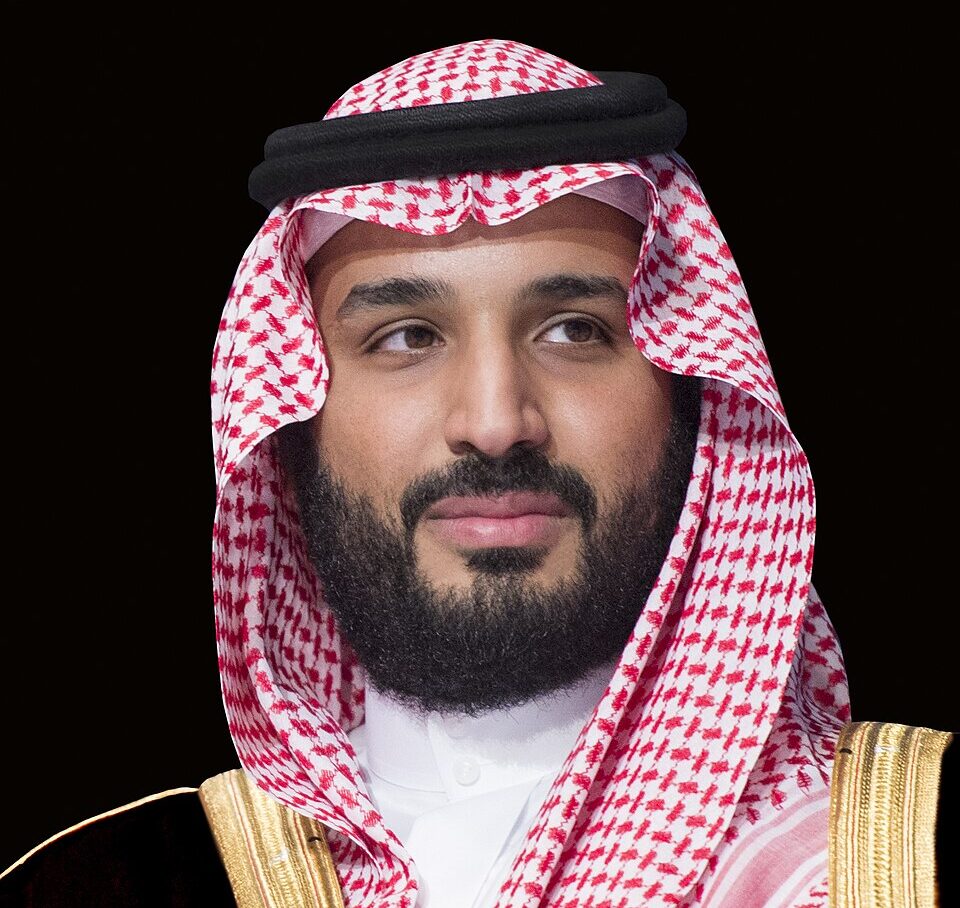
Riyadh’s insistence on U.S. help also indirectly undermines the military strength of the Mecca Joint Defense Agreement (Mecca Pact) between Saudi Arabia, Turkey, and Pakistan signed last August. This agreement stipulates that an attack on one nation is an attack on all. Turkish President Tayyip Erdogan told Saudi Crown Prince and de facto Prime Minister Mohammad bin Salman that Ankara would stand by their Saudi partners, but gave no details, as the Turkish parliament still needs to ratify the Mecca treaty. Pakistan deployed forces to Saudi Arabia after the first Houthis missile strike in Riyadh last week, and its soldiers are carrying out duties in “multiple capabilities and domains.” Egypt Foreign Minister Badr Abdelatty also condemned the Houthis and their Iranian sponsors and has pledged support to Saudi Arabia. The rhetoric of support and auxiliary troops, however, does little to curb Houthis terrorist aggression. A stronger trilateral military posture and response would perhaps better legitimize the Mecca Pact’s hegemonic ambitions.
With Trump’s reluctance to involve U.S. forces, Riyadh may further pressure Washington to finalize the $24.3 billion sale of stealth F-35 jets that Saudi Arabia has long requested. Putting the world’s most advanced fighter jets into Saudi hands would certainly give them an advantage in the Yemen war, but would also offset the balance of regional air superiority with Israel.
Israel, so far, has been the only country willing to directly intervene against the Houthis on Yemen soil in the recent week. Haaretz reported that Israeli Prime Minister Benjamin Netanyahu is seeking Saudi approval, through U.S. mediators, to intervene in Yemen in light of the recent Houthis attacks against the Saudi kingdom. Reportedly, Netanyahu’s aim is to join military forces with Saudi Arabia as a stepping stone toward future normalization.
Israel and Saudi Arabia do not maintain formal diplomatic relations. Riyadh has refused to join other Muslim nations in the Abraham Accords normalization with Israel until a Palestinian state has been established. Netanyahu, on the eve of Israel’s national election, has pledged to prevent a Palestinian state. However, recent events, such as the emergency landing of the Tel Aviv-bound flydubai flight on Saudi soil and the peaceful repatriation of Israeli passengers, signal amicable cooperation between Israel and Saudi Arabia.
Crown Prince bin Salman, however, refused Netanyahu’s olive branch for military cooperation, fearing that it would anger the Saudi public. But the geopolitical hurdles between Israel and Saudi Arabia may soon evaporate as the various Middle Eastern wars broaden their reach and continually intertwine. With shared enemies on multiple fronts, between Yemen and Iran, Riyadh and Jerusalem may find themselves deepening their cordial dealings and strategic cooperation as a necessity to maintain regional security and stability.
Read more What Ends the World Will Take Your Breath Away!
Image licensed under Creative Commons Attribution-Share Alike 4.0 International.
About the Author