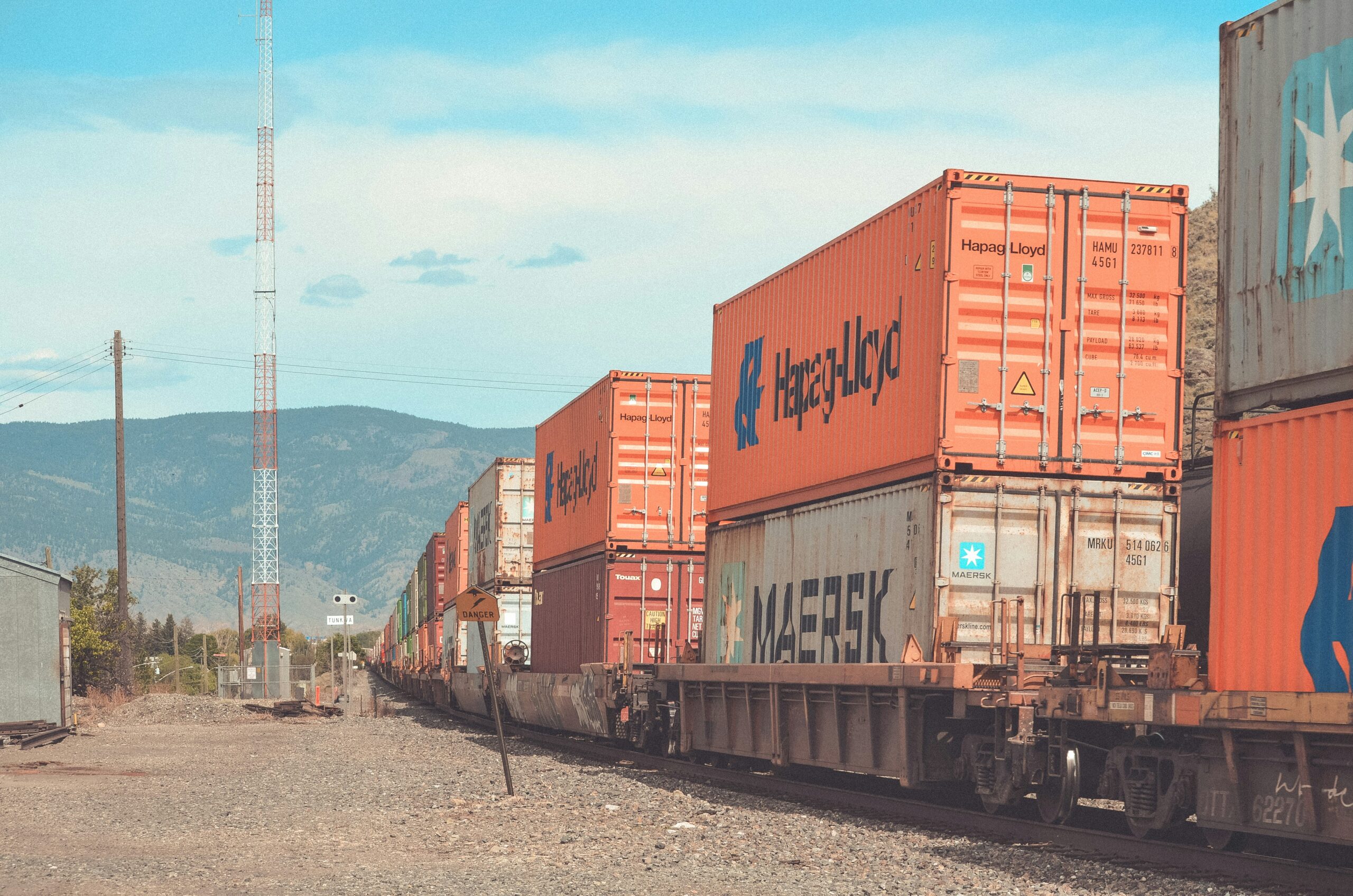
Tariffs are a fundamental denial of economic freedom that makes America less competitive worldwide. Imposed by governments, tariffs are ultimately paid by consumers, with resultant higher prices, and price increases that accelerate each year.
Read more God Bless October: Baseball, Meritocracy, and the Last Honest Games in America
Tariffs are insidious taxes that destroy wealth and cause severe harm to consumers and producers. Families are experiencing very high prices for groceries, housing, and consumer goods. Farmers suffer from higher costs for fuel, equipment, and fertilizer, and the loss of international markets. (RELATED: Making Things More Expensive Won’t Make America Great Again)
Tariffs raise manufacturing costs by making materials and components more expensive. A 50 percent steel tariff increased the domestic price of G90 galvanized steel from $0.60 to $0.90 per pound, while shortages continue to push prices higher. This is a huge added cost to domestic producers. (RELATED: The Right Goal, the Wrong Tool)
American prosperity over the last 60 years has depended on free trade, which creates economic growth.
A very important indicator often neglected by popular media and pundits is the Producer Price Index (PPI), a monthly economic measurement published by the U.S. Bureau of Labor Statistics. The PPI captures the average change over time in the selling prices that are received by domestic producers for their products. The PPI increased by 6.3 percent annually, up from 3 percent in 2025. This foretells higher consumer prices in the months ahead.
American prosperity over the last 60 years has depended on free trade, which creates economic growth. In 2000, average tariffs were 2 percent; today, they range from 12.5 percent to 50 percent depending on the product and country. (RELATED: Drop the Tariffs, Mr. President)
Tariffs create trade wars with our closest allies in our hemisphere, such as Canada and Mexico, and reduce growth in America. We now have sustained inflation based on tariffs, as well as lower economic growth.
There is no doubt that excessive federal deficits — currently at an astounding $2 trillion — and massive AI spending of up to $1 billion contribute to inflation.
We should learn historical lessons from some of the best free-market minds of recent centuries:
- The Spanish scholars and philosophers of the School of Salamanca understood free trade in the 16th century and were farsighted founders of modern free-market thought.
- Adam Smith in 1776 promoted free trade in his classic, The Wealth of Nations; Smith underscored how freedom increases national wealth.
- Frederic Bastiat in the 1840s promoted free trade and wrote an outstanding book on the merits of free trade, titled What Is Free Trade?
- Carl Menger (1840-1921), founder of the Austrian School of Economics, characterized free markets as positive-sum transactions, where both parties benefit.
Those in government who impose tariffs strongly imply that U.S. manufacturing is not competitive in many industries, such as steel and autos. Government is trying to create winners, but even those who benefit from tariffs will be long-term losers, including the steel industry. Ken Iverson, founder of Nucor Steel, stressed free trade as far back as the 1980s and warned against tariffs.
Read more Michigan Dem Senator Slotkin: Abandon JFK Idealism, Prosecute Trump Staffers
Tariffs undermine the choices made by the best decision makers in our society based on quality, price, and availability. Changing tariffs frequently among many countries complicates supply-chain issues. Even within our North American free trade zone, Mexico and Canada are subject to whimsical tariffs, some of which suggest the end of free trade in North America.
Large numbers of goods that are tariffed are not made in the United States and will never be made here, including motors, machine tools, electronics, and electrical components.
Materials and components required for manufacturing are more expensive because tariffs and/or higher prices from manufacturers of components made of aluminum, steel, copper, electrical components, and electronics are subject to 50 percent tariffs.
Onshoring of manufacturing requires enormous capital investments and years of time to build and operate plants. Moreover, America suffers from an acute shortage of highly skilled workers, which compounds growth.
Unilateral free trade reduces prices and creates wealth. The United States of America has long been enriched — not ripped off — by free trade. Historically, tariffs are harmful to domestic manufacturing and economic growth because of higher prices and fewer consumer choices.
So, what are some solutions?
For starters, tariffs must be reduced or eliminated, ending the trade wars.
We must eliminate crony capitalism by keeping the federal government out of business, including investing in companies and allowing lower tariffs for favored companies.
Government deficits must be reduced because they are causing higher interest rates, crowding out private spending, and exacerbating inflation. The welfare-warfare state now pays $1.1 trillion in annual interest on the enormous, unsustainable debt of $40 trillion.
Unless such changes are implemented, we are headed for higher interest rates, continued inflation, and ultimately a recession.
Read more Five Spooky Books for Halloween
READ MORE:
Making Things More Expensive Won’t Make America Great Again
Drop the Tariffs, Mr. President
The Right Goal, the Wrong Tool
About the Author