Alonso Quijano is the kind of man who makes most of us feel uncomfortable.
You know, that kind of uneasy feeling you get in your gut when a homeless guy looks right into your soul on a highway off-ramp, or when you’re approached on a regular Tuesday by handsome young men in suits wondering whether you have accepted Jesus Christ as your Lord and Savior, thereby receiving eternal life.
Read more Russian Plague
An encounter with Quijano — his rusty armor, pasteboard helmet, and rickety old horse, and his penchant for attacking the occasional windmill — is in that category of experience. Maybe we chuckle at his antics and his fantastical dreams, but secretly we’re grateful that several centuries and the pages of a book separate us from Miguel de Cervantes’s unhinged hero. After all, were we to meet the man better known as Don Quixote de la Mancha in real life, we might be forced to decide whether his particular insanity was actually some higher form of sanity, and that’s always a rather awkward conclusion to reach about a man who attacks windmills and rescues unwilling dames.
Then again, a world without his particular brand of madness is also mad, as Jane Doe and seven Cornell frat boys discovered.
At this point, you’ve probably seen the story, but the broad outline is as follows:
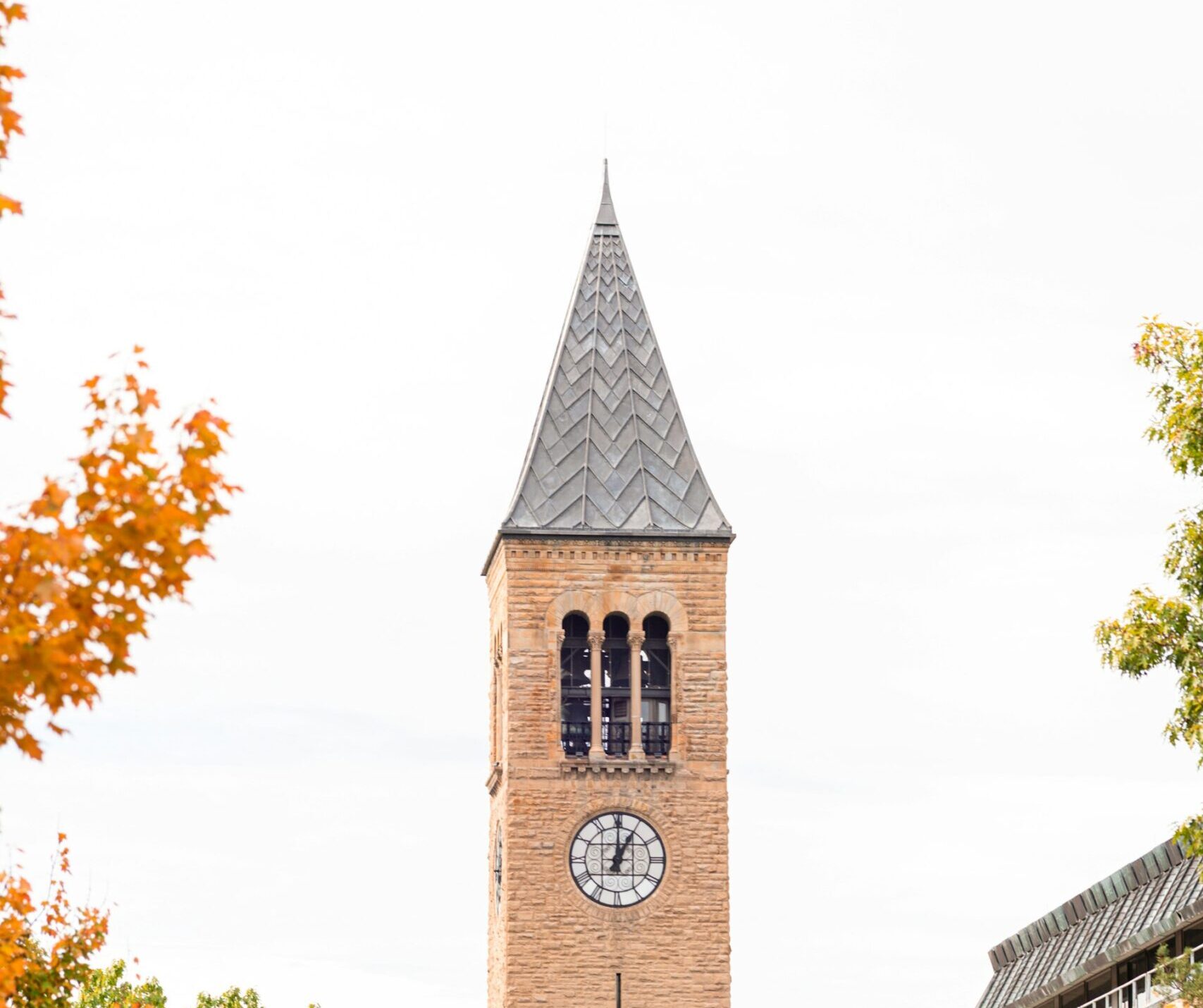
On the night of Oct. 19, 2024, Jane Doe (then a sophomore and under 21) showed up at the Chi Phi frat house at Cornell University. She was, evidently, somewhat intoxicated — perhaps very intoxicated — and deviant drug-and-alcohol-fueled activities with two, then three, then eventually seven young men proceeded until nearly 6 a.m.
Per her text messages and accounts of the event in the days after the incident, Doe seems to have believed that everything was mostly fine and that the sexual activities engaged in were consensual and therefore legal. Then she was disinvited from the fraternity’s Halloween party. Days later, she reported the incident. According to court documents filed last month, Doe now believes she was gang-raped that night.
The tale is disgusting, and the activities of everyone involved were morally depraved. Whether a court of law eventually agrees that a crime (other than illegal drug use and underage drinking) was committed that night, feminism is ultimately at fault.
Read more The Enemy Within
We are often told that, in the age of the patriarchy, men preyed on women. They kept them out of the public arena and in the kitchen in order to use them. Women, we are informed, were nothing more than decoration meant to serve the whims (however demented) of the men who exercised power over them. It was a slavish existence. Then feminism came along and emancipated us.
Except that tale is a one-sided version of the story. It fails, among other things, to inform us that the men of old were obliged to abide by certain codes of conduct. As Don Quixote correctly ascertained, medieval knights at the height of the chivalric code were expected to defend the honor of a lady. The gentlemen of Jane Austen’s social circle were supposed to bow, open doors, and speak with respect. Even boys on a playground in 1920 were told not to hit girls.
It’s true that rape occurred in these bygone eras and that women were sometimes the victims of abuse. And yet can we say any better about the modern age? At the very least, these many social rules codified respect toward women and celebrated the man who dared to defend a woman’s honor.
Then feminism came and told us the lie that men and women are different only because society makes them so. The sexual revolution followed and taught us that sex was without consequence and should be free, frequent, and unlimited. That Jane Doe was a victim of these lies is apparent from the texts she sent to the accused men just days after the incident: “everyone needs to grow up cause sexuality and sex. . . is changing and stuff like this is going to become more common. . . I’m also really open minded tho. I luv u king.”
Oddly enough, one of the things about the case that seems to rankle the internet’s conscience is that the guys were evidently texting about what was going on in the fraternity’s group chat, which included more than 57 active members. Not one of those men donned his grandfather’s armor and stormed the bedroom to defend Jane Doe’s honor — not a single one even spoke out.
But we shouldn’t be so horrified by that fact. After all, we’ve dismantled the whole social structure in which that behavior made sense. We’ve created a mad world for ourselves in which men like Don Quixote make us uncomfortable because, after all, they aren’t so mad.
About the Author