Back in the Good Old Days — which we can define as between 1776 and 1953 — America knew how to fight and win wars. Since then, we have seemed to have forgotten how to win.
Read more Trump’s Greenland Deal Offers a Lesson for the Iran War
There were times when we faced enemies much like the ones we face now. Iran is like Japan, filled with ideology and religious obedience. We had to resort to nuclear weapons to defeat the Japanese. Iran is also unlike Japan in that Iran’s religious underpinnings require war with the West.
We can beat the Houthis but so far we haven’t chosen to do so. But can we beat Iran?
President Trump has said that a big decision is coming on how we are handling the war with Iran. Vice President Vance has said, “We can’t predict the future, but I think the president is right to say that this thing will enter a much different phase in a couple of months … He’s also the commander in chief, so he’s the person who determines … when conflicts start and when they stop.” That’s about as clear as mud.
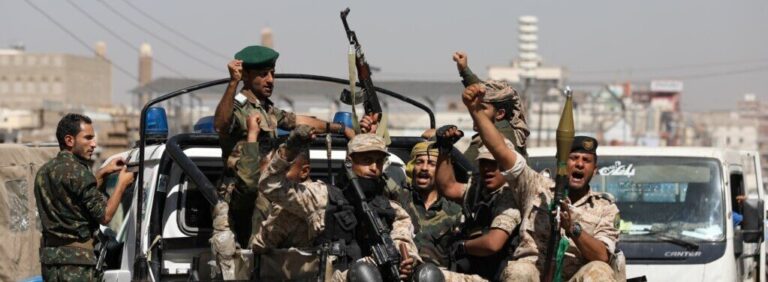
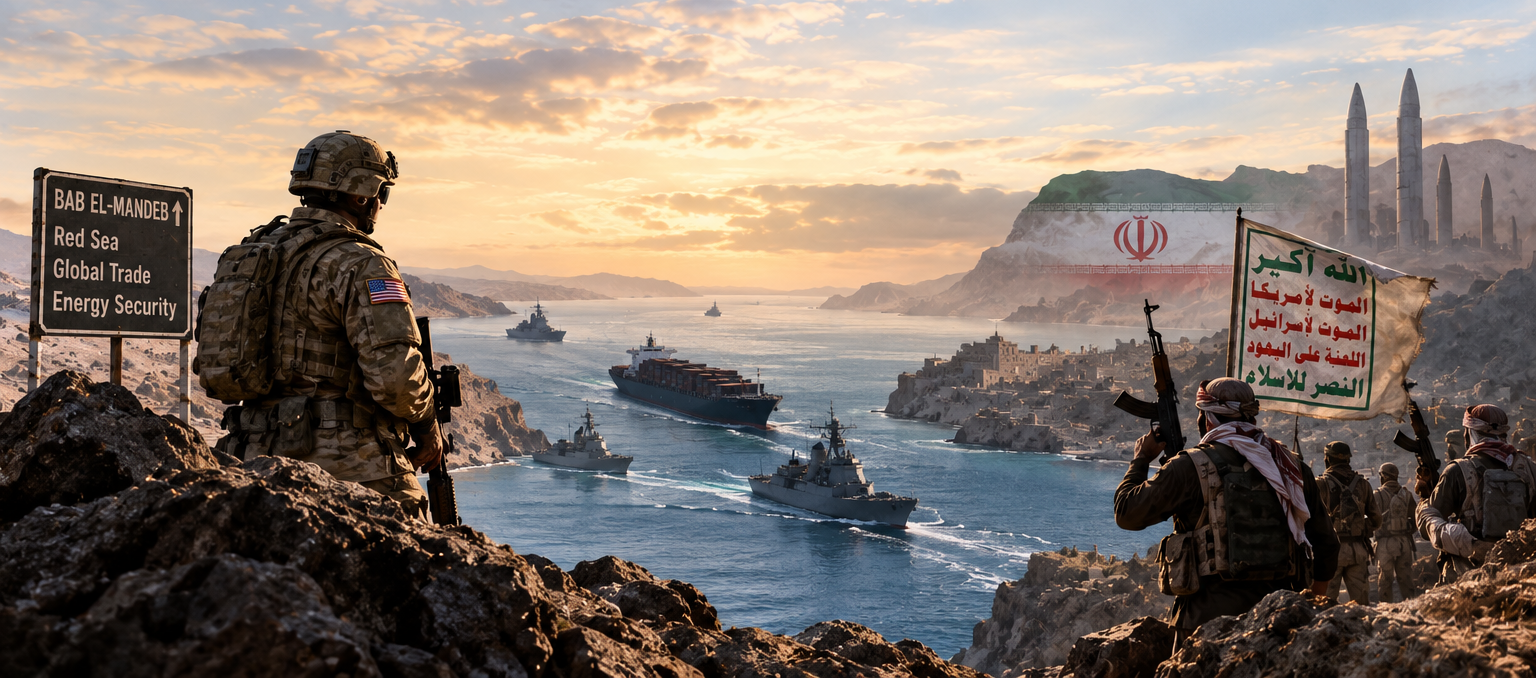
And then there are the Houthis, an Iran-backed group of rebels in Yemen who seem to dominate that country at will.
Last Tuesday, the Houthis seized control of two islands in the Bab el Mandeb Strait. That seizure followed their taking control of Perim Island and the port of Mokha a week ago Friday.
Also on Tuesday, according to Houthi media, Saudi Arabia launched 54 air attacks — probably 54 sorties — on Houthi strongholds. The Saudis did that because they are being limited — by the Red Sea quasi-blockade by the Houthis and by reported troubles — probably attacks — on their pipeline which is supposed to substitute for oil traffic coming out of the Strait of Hormuz.
The Saudis, however, are always eager for someone else to fight their fights. Although their troops and air forces are well-equipped for almost any fight — they are trained both here and in Saudi Arabia and are equipped with first-line fighter aircraft (they have F-16s but not the F-22 or F-35) they prefer us or the Israelis to fight their battles.
Which brings us back to the Houthis, who are an industrious bunch of folk. They were reportedly using artificial intelligence to guide their missiles and for psychological warfare. Which is another problem entirely.
But why aren’t we swatting the Houthis like the insects they are?
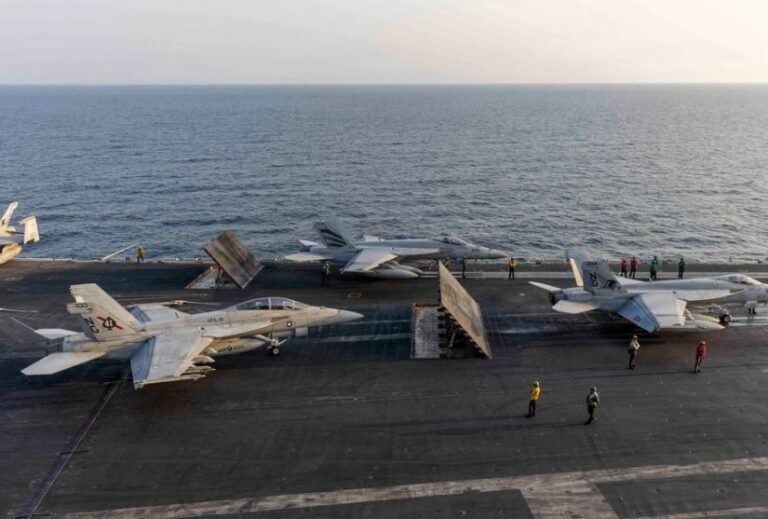
Several reasons. We haven’t reopened the Strait of Hormuz which the Iranians have tried to close by firing missiles and launching drones at ships that travel through the Strait. We have, according to CENTCOM Commander Adm. Brad Cooper, escorted almost one billion barrels of oil out of that Strait to the markets in Europe and, almost certainly, China.
Read more Demolish the Kennedy Center (and All the Rest)
But that leaves the Strait of Bab el-Mandeb open to Houthi attacks. The Houthis were quiescent for months but because our secondary sanctions are hurting Iran the Houthis have become much more active.
We could strike at the Houthi strongholds as the Saudis did but with much greater effect. The Houthis are Iran’s ally in this war so why don’t we do that?
We are overextended in respect to the Iran war. Abdulmalik Al-Houthi, who rules part of Yemen, does so — according to the Wall Street Journal — through fear and religious fervor. Mr. Al-Houthi, also according to the WSJ, claims he is a descendant of Islam’s prophet Mohammad. He is vulnerable to U.S. air strikes which should take him out. He and the Houthis he commands are as much an enemy as Iran.
So why is he able to take Perim Island and control the Strait of Bab el Mandab? Because of U.S. forbearance, nothing else. NATO’s forbearance — which is nearly total — is a burden we have to shoulder in the Iran war.
So far, only Greece has allowed us to use their airspace and bases there to carry out the Iran air war. Greece has also moved some of its Patriot missile batteries to Crete to forestall attacks by Iran. Only Canada, the Czech Republic, Albania, North Macedonia, Lithuania and Latvia, of the other NATO nations, have voiced support for our operations in Iran. Canada may withdraw its support due to the ongoing trade disputes with the U.S.
NATO is a lost cause in the Iran war. Mr. Trump is contemptuous of NATO and Mr. Vance has said we would revisit our NATO involvement after the Iran war. Again, that is as clear as mud but it indicates a possibly fluid circumstance. Will we quit NATO?
Quitting NATO would be a bad decision. It would open Ukraine — and other NATO nations — to greater Russian aggression.
We can beat the Houthis but so far we haven’t chosen to do so. But can we beat Iran? As this column has said, perhaps too often, we cannot as long as the Tehran regime stands.
Read more Paramount’s Hollywood Exit Could Trigger an Avalanche in Los Angeles
READ MORE from Jed Babbin:
Trump Cannot End the Iran War by Simply Declaring Victory
America Is at War With Iran, Whether We Call It a War or Not
Hamas’s Fire Kites Put the Gaza Cease-Fire to the Test
About the Author