Between constant complaints about disparities in health outcomes and the , optimizing public or population health has become the dominant theme for healthcare officials both in Washington and the World Health Organization.
Read more NAZA : When an Anti-Israel Gaza Documentary Wins at Venice
Population health (or medicine) refers to optimizing the health status of a group, community, or nation in contrast to personal health, which is the confidential, fiduciary patient-doctor relationship aimed at optimizing the health of a single individual.
Which is more important: population or personal?
What should be the focus of healthcare policy-makers?
What population medicine should not do is precisely what officials such as Fauci and CDC Director Walensky did during COVID.
Which should be foremost in doctors’ thinking? Should medicine be practiced retail or wholesale?
Consider the two major concerns that population health advocates say should dictate healthcare policy: health disparities and pandemics. Evidence proves that disparities among ethnic or socioeconomic groups are caused primarily by genetics, nutrition, hygiene, and lifestyle rather than anything a doctor does. To blame the medical care system for higher incidence of diabetes in the black population or frequent G-I cancers in Asians is inconsistent with facts.
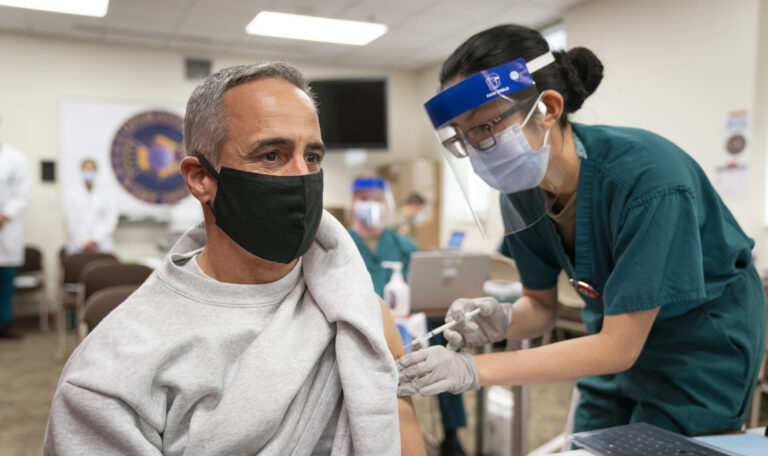
The COVID experience should be a teaching moment for why central medical control — implementation of population medicine — leads to poor health outcomes. In the name of optimizing the health of all peoples, governments forced whole populations to be injected with an experimental, incompletely tested, genetic treatment that caused more harm than it prevented.
In medical school, doctors studied the horrifying history of thalidomide. After clinical studies in the 1950s confirmed the safety and efficacy of this drug, it was widely prescribed for the nausea of pregnancy, and it worked. However, the clinical trials had not included pregnant women. No one knew the drug would cause terrible birth defects. Then babies started being born missing arms and legs or without eyes and noses, and with defects in heart, brain and kidneys. Eventually, these defects were linked to the use of thalidomide in the early stages of pregnancy.
Fast forward seventy years to COVID. The American College of Obstetricians and Gynecologists urged its members to give the “jab” to all pregnant women assuring them it was “safe and effective.” However, just like thalidomide, no pregnant women were included in the clinical trials. There was no data on safety or efficacy. ACOG did receive a large grant from NIH for promoting the mRNA shots. While official pronouncements continue to deny an increase in miscarriages in vaccinated pregnant women, unofficial sources report increased risk for spontaneous abortion.
COVID has shown the world that when governments practice population medicine, patients suffer. Worse, when governments mandate medical care, they become defensive of their directives and suppress any data that might contradict or even question the official narrative and plan.
Individual patients want what is best for themselves, not what a government agency mandates for all. Patients want “personal medicine.”
Read more Trump Faces a Choice on Iran: Make a Deal or Escalate the War
The practicing physician has a fiduciary relationship with the patient. Fiduciary in the medical context means the patient temporarily turns over personal agency (power to decide) to the doctor who uses that power for the benefit of the patient. The best examples are major surgery or chemotherapy. The patient allows the surgeon to cut him or her open. The cancer patient voluntarily takes several poisons prescribed by the physician. Both patients allow the doctors to do temporary harm in order to improve their individual longterm health.
The physician is obligated to do whatever is best for that one patient, without regard to any other person and or the community at large. Both the original Hippocratic Oath and the revised modern one commit the doctor to the welfare of a single patient.
Doctors want to practice personal medicine, the same thing that patients want.
Finally, when population medicine is the lodestone of government, We the People get . COVID is the best example of how people can have their medical autonomy or freedom taken away in the name of the “greater good.”
If you want to be truly free, you will demand personal medicine and patient empowerment.
There is a place for population medicine as an advisory entity making available to practicing physicians the objective, non-partisan scientific data and statistically valid analysis. They decide how to use that information for best personal care.
What population medicine should not do is precisely what officials such as Fauci and CDC Director Walensky did during COVID. They manipulated the data to support their narrative. They changed definitions, even of “vaccine,” to defend their plans. They withheld information from the Vaccine Adverse Event Reporting System to bolster their mandate to inject mRNA multiple times into the entire population.
As a result of their decisions, especially their suppression of reports that questioned their narrative, the federal medical establishment lost the trust of both the public and the practicing medical community. Thus, while there should be a public health advisory role for agencies like CDC and NIH, how long will it take after COVID before we trust them again?
READ MORE from Deane Waldman:
Making Health Insurance Affordable
Health Insurance Costs Are Soaring. Here’s Why
Why Healthcare Price Transparency Will Fail
Deane Waldman, M.D., MBA, is Professor Emeritus of Pediatrics, Pathology, and Decision Science; former Director of the Center for Healthcare Policy at Texas Public Policy Foundation; founding Director of the New Mexico Health Insurance Exchange; and author of multi-award-winning, Become an Empowered Patient. Follow him on X.com@DrDeaneW or visit website www.empowerpatients.info.
Read more Winning the Cultural Cold War: Why Americans Are Turning Away From the Literary Establishment
About the Author