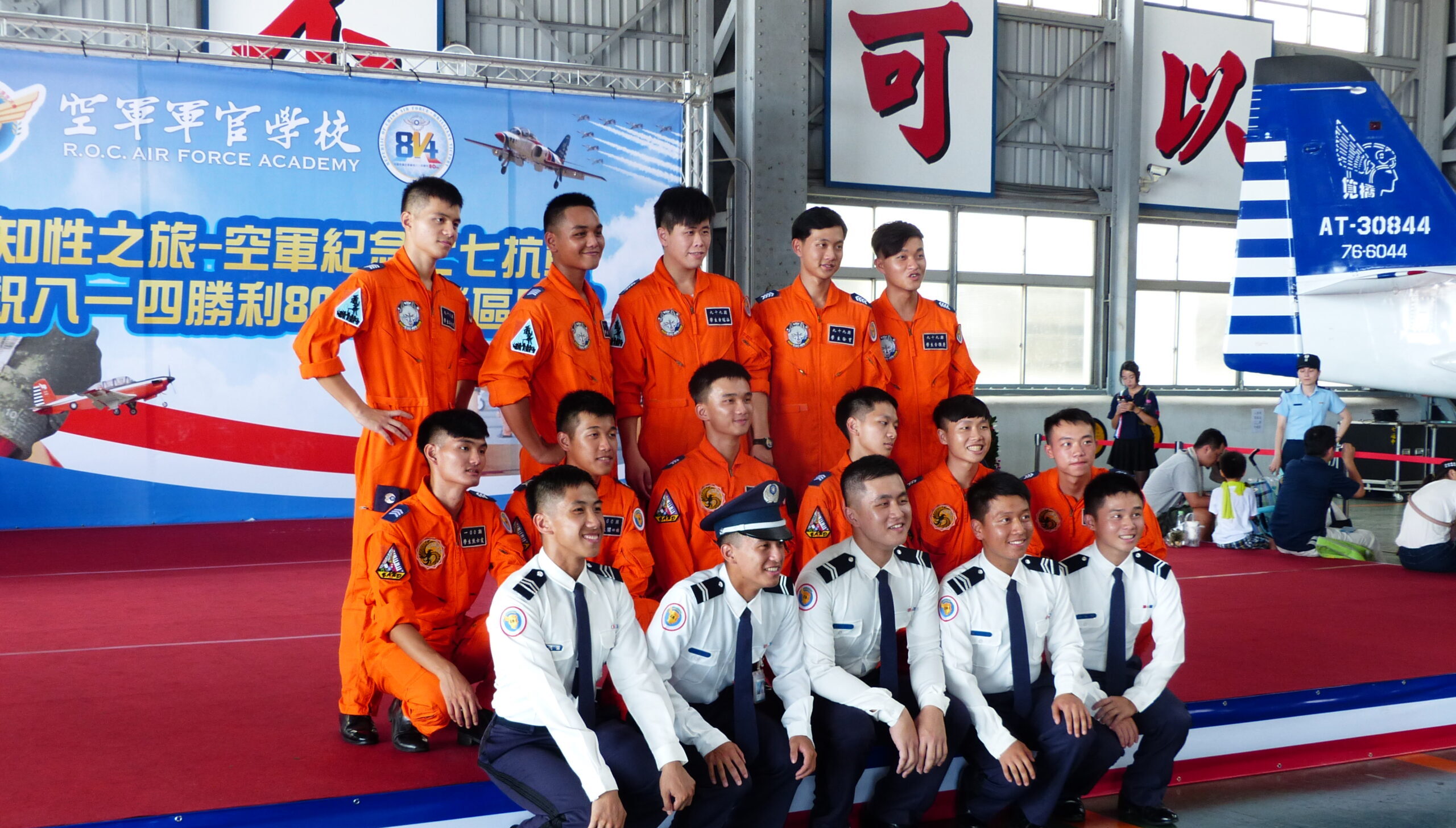
In 1999, two PLA Air Force (China’s air force) colonels, Qiao Liang and Wang Xiangsui, wrote a book titled Unrestricted Warfare that created a sensation among U.S. military theorists and national security experts.
Read more Sophie Cunningham vs. the Trans Sports Mob
In 2007, Johns Hopkins School of Advanced International Studies sponsored and hosted a on unrestricted warfare. Retired Lt. Gen. David Barno and scholar Nora Bensahel wrote in War on the Rocks that Qiao and Wang revealed “an unlimited zone of conflict that can reach each one of us in every aspect of our lives and work,” and proclaimed that the “unconstrained notions of modern war articulated in Unrestricted Warfare have now arrived.”
Qiao and Wang foresaw the emergence of different means of waging war and recommend using those means in an unrestricted manner to achieve war’s very object — which is victory.
Retired Gen. Robert Spalding described Unrestricted Warfare as “the main blueprint for China’s efforts to unseat America as the world’s economic, political, and ideological leader” and is “the key to decoding China’s master plan for world domination.” Marine Corps Officer David Nass the book “a provocative vision for what irregular warfare, omnidirectional warfare, or multi-domain warfare could look like in the early 21st century.” U.S. Air Force Nuclear and Missile Operations Officer Dallas Tueller wrote in Small Wars Journal that Unrestricted Warfare “highlights China’s long-term strategic vision.”
Both Chinese authors are now retired from the PLA, but they continue to write and teach on strategy. Qiao retired as a major general in the PLA and is now the deputy secretary-general of the Council for National Security Policy Studies. Wang is currently a professor and the director of the Center for Strategic Studies at Beihang University in Beijing. In Unrestricted Warfare, the authors display broad knowledge of military history and military theorists. Sprinkled throughout the book are references to theorists Sun Tzu, Machiavelli, Clausewitz, Mahan, Douhet, B.H. Liddel Hart, J.F.C. Fuller, and military captains like Alexander the Great, Julius Caesar, Hannibal, Gustavas Adolphus, Frederick the Great, Nelson, and Napoleon. The central theme of their book, however, is that the 21st century will see a major expansion of non-military forms of warfare — psychological, smuggling, media, drug, information, network, economic, technological, resource, cultural, and lawfare.
Read more My Life in Pain After the Government Took My Drug
In some respects, the ideas in Unrestricted Warfare are consistent with the ancient counsel of Sun Tzu that the acme of skill is to defeat an enemy without fighting. But Qiao and Wang do not foresee the end of kinetic war. They see a type of warfare that combines kinetic and non-military means to defeat an opponent. The domains of battle are expanding from air, land, sea, and space to cyber and information and electromagnetic battlefields. It is, they write, “warfare which transcends all boundaries and limits; in short: unrestricted warfare.”
In unrestricted warfare, the warrior is joined by the computer hacker (the digital soldier), the software engineer, the systems analyst, the social media influencer, the culture warrior, the financier and banker. The battlefield, they explain, is everywhere. Future combat will be “omni-dimensional” combat. The breadth of the authors’ vision of unrestricted warfare is brought home by this stand-alone paragraph from the book:
Atomic warfare Diplomatic warfare Financial warfare
Conventional warfare Network warfare Trade warfare Economic aid
Bio-chemical warfare Intelligence warfare Resources warfare
Ecological warfare Psychological warfare Economic aid warfare
Space warfare Tactical warfare Regulatory warfare
Electronic warfare Smuggling warfare Sanction warfare
Guerilla warfare Drug warfare Media warfare
Terrorist warfare Virtual warfare (deterrence) Ideological warfare
Some of these types of warfare are not new, others are. But it is the combination of those means that produces unrestricted warfare. Addressing their own CCP leadership, the authors write: “If we want to have victory in future wars, we must … be ready to carry out a war which, affecting all areas of life of the countries involved, may be conducted in a sphere not dominated by military actions.” The authors credit not Sun Tzu but Machiavelli for their key advice to “achieve objectives by fair means or foul … [i]t means using means … without restraint to achieve an objective.”
Nothing in Unrestricted Warfare renders Clausewitz obsolete. There will still be “friction” in future wars, and those wars will continue to be waged for political purposes. Qiao and Wang foresaw the emergence of different means of waging war and recommend using those means in an unrestricted manner to achieve war’s very object — which is victory. If the CCP leaders take their advice, our geopolitical rivalry with China will indeed be a “long twilight struggle.” And we need to prepare to wage that conflict with the military and the non-military means the combination of which will enable us to deter China’s geopolitical ambitions and, ultimately, to achieve victory without kinetic war.
Read more Cordileone Calls for Wider Access to Traditional Latin Mass
READ MORE from Frances P. Sempa:
Nixonmaxxing: From Watergate to Gen Z White Pill
The Making of Communist China
The New Terror Network
About the Author