Seventeen billion dollars sounds like an extraordinary punishment until you learn Meta can cover each annual payment with about two days of revenue.
Read more The Military Decline Since Desert Storm Is Both Physical and Mental
Meta’s landmark settlement with 51 state and territory attorneys general over allegations that Facebook and Instagram were deliberately engineered to addict children has been celebrated as a historic victory for accountability. The company will pay approximately $12.1 billion guaranteed, with the total potentially reaching $17.1 billion, while implementing new protections for teenage users.
That is not deterrence. It is a business model.
But strip away the eye-popping headline and confront the financial reality: This settlement is peanuts to Meta.
Consider the precedent. In 1998, the tobacco industry’s settlement reached $206 billion and exceeded the value of its own core business. In 2016, Volkswagen agreed to pay up to $14.7 billion (about two and a half times its net income that year) and the following year pleaded guilty to criminal fraud for lying about “clean diesel,” a sales pitch most people have already forgotten.
Meta is paying six percent of one year’s revenue, guaranteed, over allegations that its conduct encouraged children to hurt themselves. History shows what serious accountability looks like.
Meta generated nearly $201 billion in revenue in 2025. It earned more than $60 billion in net income, produced almost $116 billion in operating cash flow and finished the year with approximately $81.6 billion in cash, cash equivalents and marketable securities.
As mentioned, the guaranteed portion represents only about 6 percent of one year’s revenue, and Meta will not pay it all at once. Payments will be spread across a decade. Meta generated roughly $550 million in revenue every day last year. At that pace, Meta could cover an entire year’s guaranteed payment with approximately two days of revenue.
That is not a corporate reckoning. It is a rounding error.
Meanwhile, Meta avoided the spectacle and risk of a jury trial, potentially damaging executive testimony and a far larger judgment. Its stock rose after the agreement was announced. Wall Street understood what politicians apparently did not: Meta got a bargain.
The allegations could hardly be more serious. States accused Meta of designing addictive features for children, collecting young users’ data without proper parental consent, misleading families about platform safety and contributing to a nationwide youth mental-health crisis. They allege Meta knowingly kept children compulsively engaged, steered them toward content glorifying self-harm and eating disorders, and concealed what its own researchers knew. Meta denied wrongdoing and admitted none as part of the settlement.
If those allegations warranted a nationwide legal campaign, the punishment should have been large enough to force Meta and every other technology company to reconsider the economics of exploiting children.
Read more Medicine’s Great Unfinished Business: The Common Cold
Instead, this agreement teaches Silicon Valley a different lesson: Push the limits, maximize engagement, collect the profits and, if regulators eventually catch up, negotiate a payment your accountants can comfortably spread across ten years.
That is not deterrence. It is a business model.
The settlement does include meaningful changes, including usage limits, nighttime restrictions, reduced notifications during school hours and additional parental controls. Those reforms may prove more important than the money.
But the operational provisions deserve scrutiny. Parents may override certain restrictions, some activities may not count toward usage limits, and the strongest protections may depend on whether Meta’s competitors agree to similar rules. A company accused of helping create the crisis should not make safeguards conditional on its rivals. Meta should protect children because it is right — not because YouTube, TikTok or Snapchat moved first.
For decades, tobacco companies claimed their products were matters of personal choice while minimizing the methods they used to create dependency. Today, technology companies hide behind similar arguments: users choose to open the app, parents should monitor their children and no one is forced to keep scrolling.
But when some of the world’s highest-paid engineers design products to capture attention, trigger compulsive behavior and keep children engaged as long as possible, “personal choice” becomes a convenient corporate shield.
A corporation with that much power and a history of censoring Republicans and other partisan activities must face consequences proportionate to both its conduct and financial strength. Spread across a decade, this settlement becomes another predictable expense buried inside one of the largest income statements on Earth.
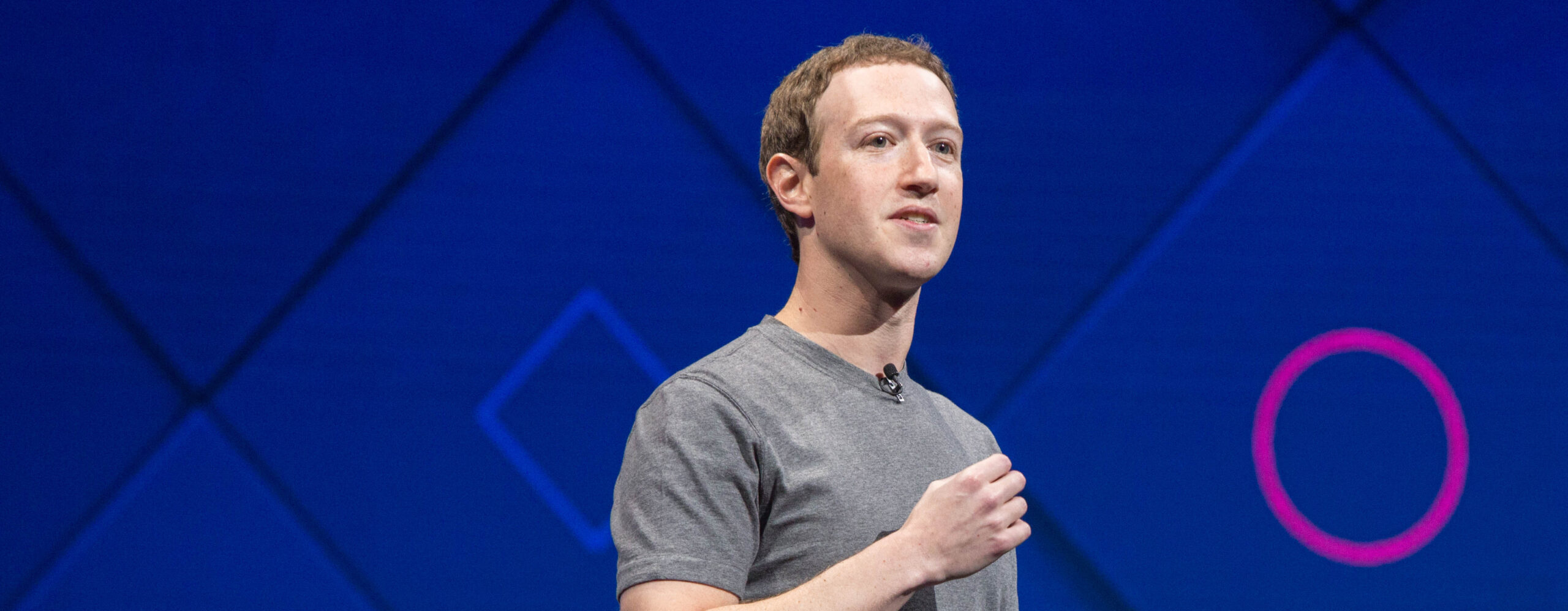
It was a smart play by Mark Zuckerberg and good for shareholders. But it was not justice. It was a quick, convenient, bipartisan sellout that will hardly deter continued bad behavior by Big Tech.
America’s children deserve more than symbolic accountability wrapped in an enormous-sounding number. Until penalties threaten profits, executive compensation, and corporate decision-making, Big Tech will continue treating settlements as a fee — not a warning.
For Meta, $17.1 billion is not justice. It is the price of making the problem go away.
Read more The Story of Shimmy Biegeleisen, From Brooklyn to the World Trade Center
READ MORE from William Flaig:
Trump’s First Six Months: Markets are Speaking Loudly
READ MORE:
The Problem With Flock
Defending ‘Adequate’ Humans Against AI
About the Author