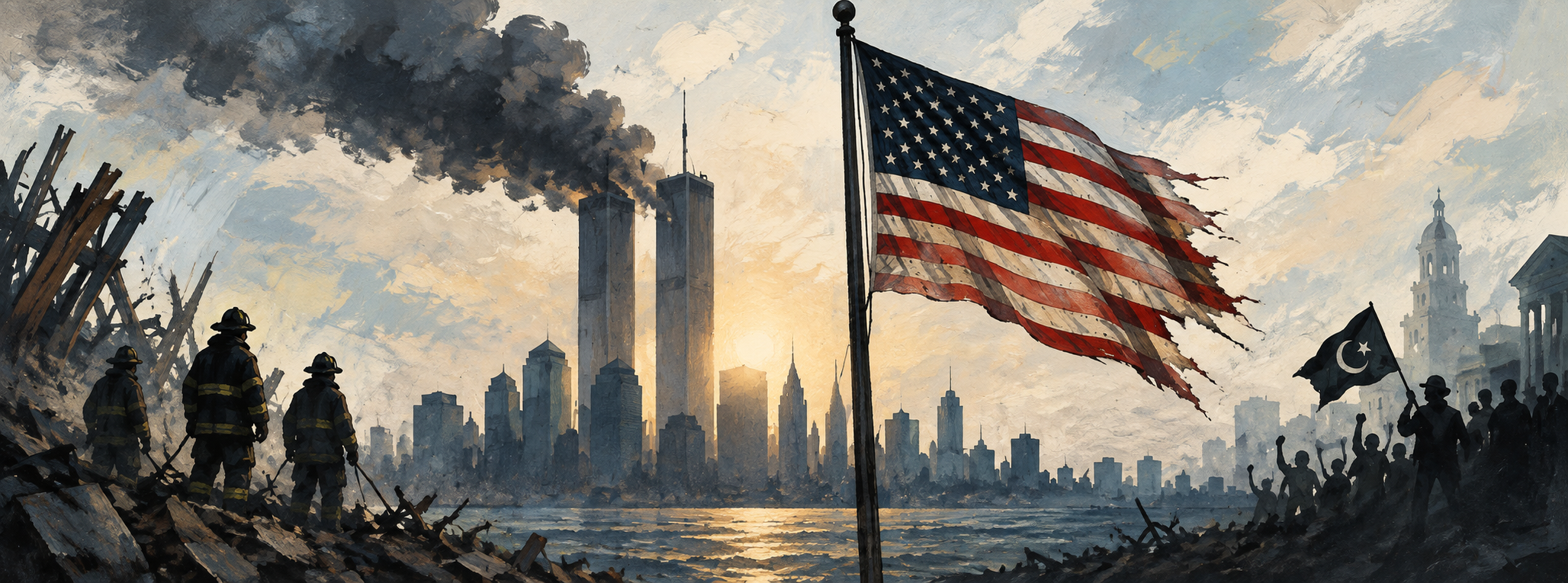
“Never forget.”
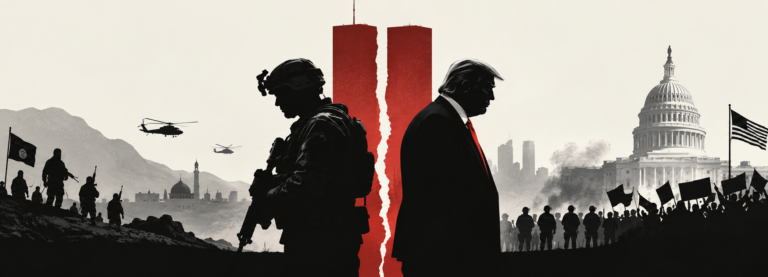
In the 25 years since 9/11, Americans have spoken those words over and over each anniversary — a solemn promise to one another and to those lost. But a quarter century on, it’s worth pausing to question what exactly it is that we commit to remembering.
Read more Volkswagen’s Electric Suicide Pact
Is it just the 2,977 victims and the selfless acts of heroism from firefighters, police, and ordinary Americans who rushed toward the chaos? Is it the deep, simmering anger that welled up in our hearts watching smoke rise above Manhattan and the Pentagon? Is it the 20 years of conflict that followed, with trillions of dollars and thousands more lives sacrificed in service of sometimes noble, sometimes foolhardy goals?
Or is it something much deeper — something more fundamental about the fragility of life, the preciousness of freedom, and the nature of evil itself?
In September of 2001, I was a 20-year-old freshman at the Air Force Academy in Colorado Springs. Just a month before, I’d finished basic training, and the thrill of seeing majestic mountain peaks soar above the campus each day still had not worn off.
I was in chemistry class when someone came in to say that a plane had flown into the World Trade Center. Like most Americans, my first thought was, “What a terrible accident.”
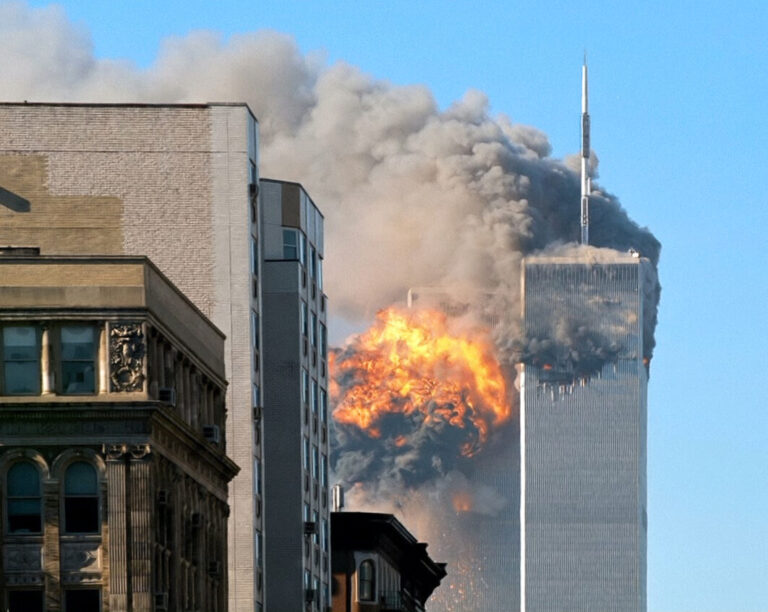
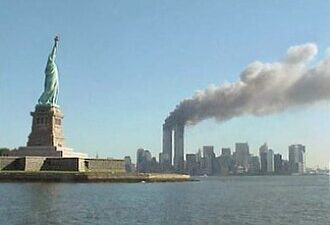
We went through multiple uniform changes that day, and the pre-smartphone world meant I didn’t have access to any information until later that afternoon. I was on my way to basketball practice when I learned another plane had hit the second tower, and both had fallen. It was the first time I saw the footage on TV — images forever seared into the American consciousness.
That was the first moment that I truly realized that evil existed in the world. Until then, I couldn’t imagine that there were people motivated enough to kill themselves by flying planes into buildings to kill people they never met. (RELATED: 9/11: Remembering the CIA’s Failure to Protect America)
Our collective ability to recognize and confront the evil on display 25 years ago has faded.
I also knew that, more than anything, I wanted to understand that evil so I could destroy it. Yes, I wanted revenge against the monsters who planned and executed this attack on our country. But I also wanted to eradicate the very ideology that lived in the hearts of these Islamic terrorists.
To one extent or another, we were all driven by those two words: “Never forget.”
Looking at our nation today, however, it is difficult to conclude that we have fully honored that pledge.
Yes, we built monuments to the fallen. We hold memorials and pause to remember the dead. These are right and honorable endeavors. But our collective ability to recognize and confront the evil on display 25 years ago has faded.
If you mention 9/11 to someone on the street today, you’re more likely to hear a conspiracy theory about our government’s supposed involvement in the attack than basic knowledge about, for instance, Sayyid Qutb, the godfather of Al-Qaeda. A 2023 YouGov survey found that one in five Americans believe that the federal government was “definitely or probably” behind the attacks, while another 14 percent aren’t sure.
Meanwhile, a watered-down but no less sinister iteration of the same extremist ideology that motivated the 9/11 attackers is now spreading throughout our politics and culture. States and cities are making accommodations for “Sharia law,” the religious-political code that underpins radical Islamic regimes in the Middle East. “Death to America” chants have broken out at Islamic rallies in cities like Dearborn. Protestors on college campuses cheer for Hamas and threaten Jewish students. (RELATED: What Is an American?)
Read more Something Worse Than $4 Gas
In Michigan, a U.S. Senate candidate who won 743,000 votes in the primary, campaigns with an individual who has openly said that the United States “deserved” 9/11. Perhaps most chillingly of all, New York City is now led by a socialist with close ties to Imam Siraj Wahhaj, an unindicted coconspirator in the 1993 World Trade Center bombing — just one of Zohran Mamdani’s disturbing associations with radical Islam. (RELATED: Hasan Piker and the Democrats Who Embrace His Violent Rhetoric)
What we have forgotten is that “Never Forget” was never meant to be merely an instruction to remember the past. It was also a warning about the future.
We were supposed to remember that evil is real and that free societies have enemies. We were supposed to remember that such evil does not always come from some distant corner of the world.
That lesson was made painfully clear again last September. One day before Americans again gathered to commemorate the attacks of September 11, Charlie Kirk was murdered while speaking on a college campus.
The scale, circumstances, and motivations of the two crimes were profoundly different. But both reflected the same underlying evil — the same desire to destroy everything that America stands for.
Kirk spent much of his adult life going to college campuses, including places where many people vehemently disagreed with him, and inviting them to argue. He represented the very best of us. The bullet meant to silence his voice was fired in the same spirit that motivated the terrorists to hijack four airplanes on 9/11.
That connection points us toward what “Never Forget” should mean 25 years later.
We should never forget the 2,977 people who were murdered that morning. We should never forget the firefighters climbing stairwells while everyone else was running down, the passengers aboard Flight 93 who fought back, or the families who have carried an empty place at the table ever since.
But neither should we forget what was attacked that day, nor the evil behind the attack.
The terrorists did not strike America merely because of particular buildings or policies. They attacked a civilization built around principles rooted in Christian teachings that they despised: individual liberty, religious freedom, freedom of expression, self-government, and the right of ordinary people to determine the course of their own lives.
The final answer to September 11, then, cannot be a memorial alone. It must be a country that still believes those principles are worth defending. It must be a people confident enough in their civilization to still distinguish good from evil.
Twenty-five years later, never forget those we lost. Never forget the evil that took them from us. And never forget the enduring duty to seek out and destroy that evil wherever it may appear.
Read more A Massachusetts Jury Legalized 4th Trimester Abortions
Clayton Fuller is the congressman for Georgia’s 14th Congressional District.
READ MORE:
9/11: Remembering the CIA’s Failure to Protect America
The New Terror Network
Releasing Terrorists Is Aiding the Enemy
About the Author