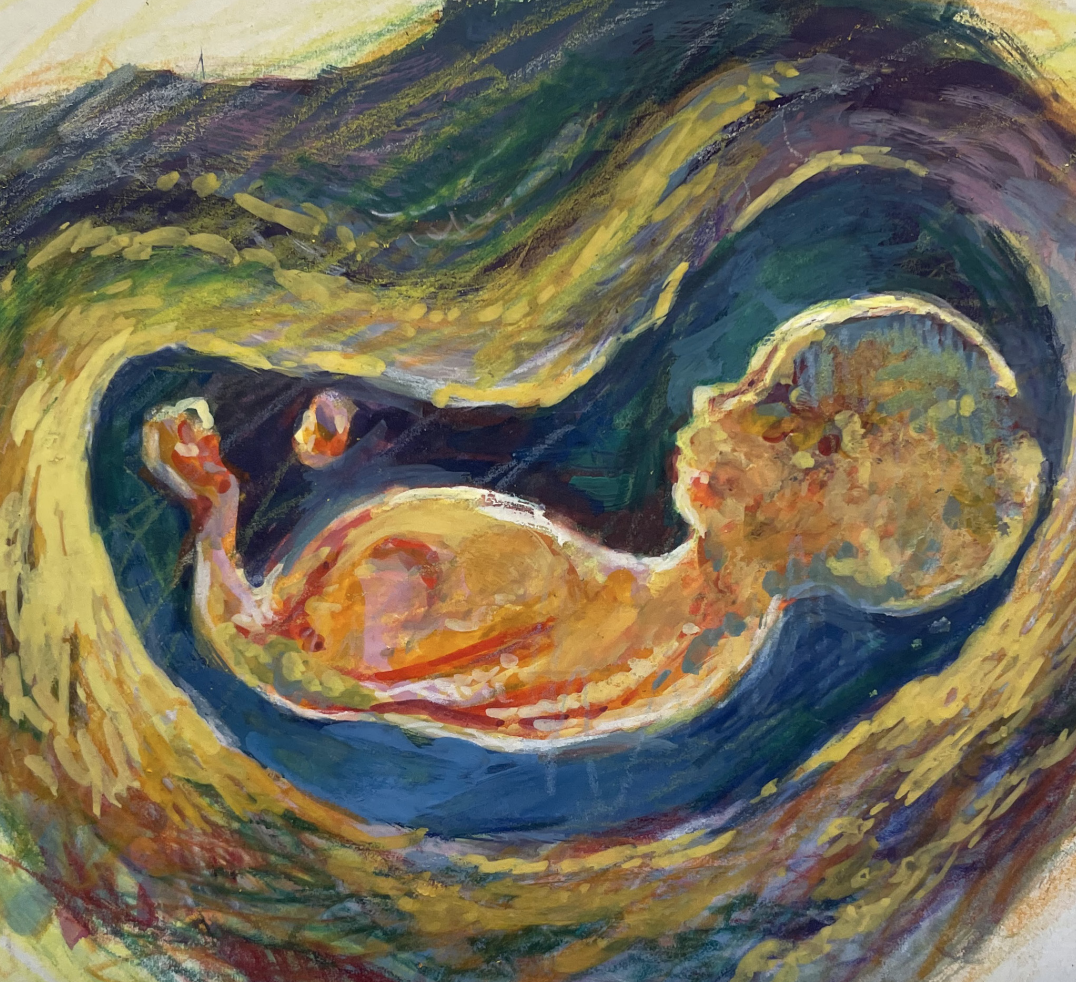
Legalized abortion has long occupied a central place at the intersection of American culture and politics.
Read more The Great American Open
For decades, it has been the cornerstone of the Democratic Party, which pours millions of dollars into convincing women that motherhood is a dead-end street. For a long time, women have listened. But emerging cultural shifts among young adults could foreshadow a reversal of that trend.
This article is from The American Spectator’s summer 2026 print magazine. Subscribe to The American Spectator to receive the magazine.
From rising church attendance and an uptick in early marriages to encouraging abortion polling, the ingredients for an American pro-life revival are there. But if our faith, political, and cultural leaders fail to meet the moment, that revival could fizzle before it’s even begun.
Gen Z Turns Up
There was an unplanned moment during Turning Point USA founder Charlie Kirk’s memorial service last September that has stuck with me ever since.
During a lull between worship songs, the musicians spontaneously struck up a beautiful melody. One of the musicians, Donavan Smith, later revealed in an Instagram video that he had felt moved by the Holy Spirit to play.
As the music filled the stadium, the crowd began to raise their red, white, and blue signs in the air, unprompted. The cameras filming the event zoomed in on the signs so those of us watching at home could read their message: “Turning Point.”
And boy, was it.
Following Kirk’s tragic assassination at Utah Valley University, images flooded social media of full church parking lots and packed pews. People of all ages reported feeling an urge to pray, purchase Bibles, and get baptized, citing Kirk’s Christian example. Talk of a budding revival swept the nation and the world … and then went quiet.
As the cameras and news cycle moved on, we heard less about this spiritual shift. Soon enough, certain pollsters were insisting it was all a fluke.
“There is little evidence that Americans are returning to church in higher numbers,” the Public Religion Research Institute asserted in April, citing its finding that the share of Americans in 2025 who attended church weekly — 26 percent — was unchanged from 2024.
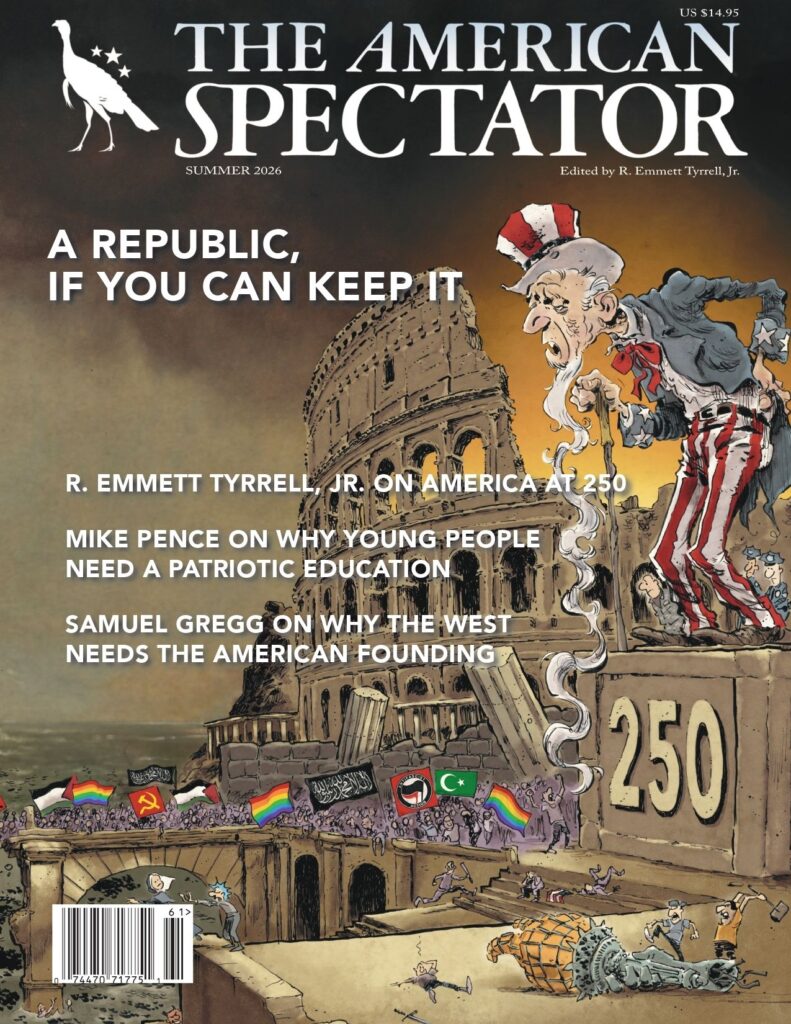
Subscribe to The American Spectator to receive our summer 2026 print magazine.
Church leaders, on the other hand, are telling a different story.
“In the whole history of the Orthodox Church in America, this has never been seen,” the Very Rev. Andrew Damick, an Antiochian Orthodox priest in Pennsylvania, told the New York Times in November of the surge in young men his local parishes are seeing. “This is new ground for everyone.”
Roman Catholic churches across the country are reporting a similar phenomenon, according to the Times. The outlet gathered conversion data from two dozen dioceses, and each showed “a significant jump.”
The Archdiocese of Newark, New Jersey, announced that 1,700 people in its diocese were entering the Catholic Church this year — a 30 percent increase from last year and a staggering 60 percent jump from 2019, before the COVID-19 pandemic.
“Last year, we had no idea where all the people came from then; 2025 eclipsed every year we had had up to then. We thought it might be an anomaly,” the Rev. Armand Mantia, who directs the archdiocese’s conversion program, told the National Catholic Register in March. “And then, all of a sudden, we had our rituals for 2026, and 2026 blew away 2025, which we didn’t think was possible.”
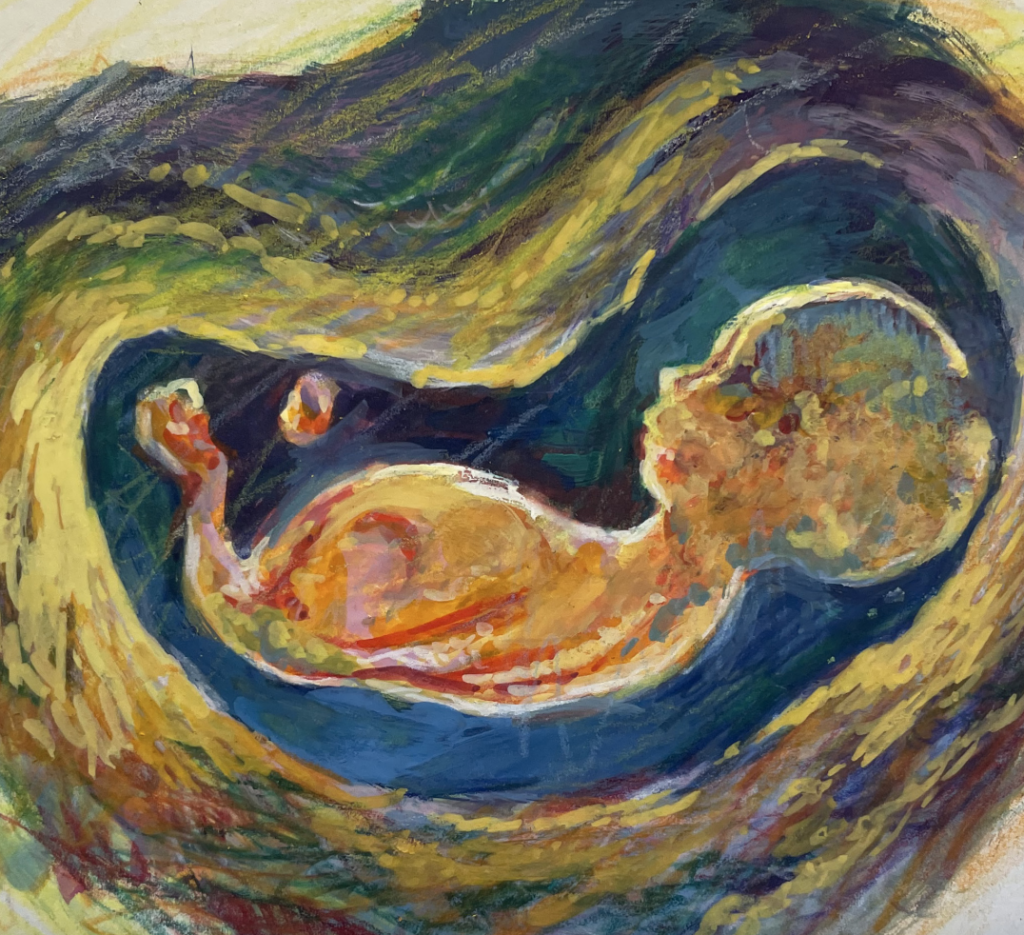
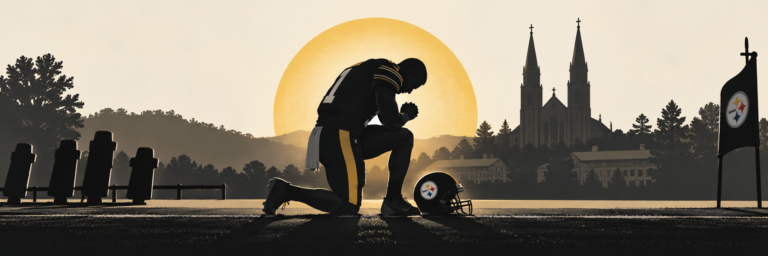
Art by Bill Wilson for The American Spectator
Faith leaders aren’t the only ones documenting this shift. A Barna Group survey published last September found that, for the first time in decades, younger adults are the most frequent churchgoers, with Gen Z leading the pack and Millennials in a close second.
A Gallup poll conducted in 2024–2025 similarly found that religiosity is growing among young men, with 42 percent saying religion is “very important” to them. That marks a 14 percent jump from the 2023–2024 survey.
Among young women, those who found religion “very important” dropped from 32 percent to 29 percent. But something is nonetheless happening among young men that could bode well for a revival of traditional Christian values — including belief in the sanctity of life — among the younger generations.
‘Startup’ Marriages
With Gen Z leading this spiritual shift, it only makes sense that they would embrace one of Christianity’s most sacred institutions: marriage. But unlike their Millennial counterparts, these aptly nicknamed “Zoomers” aren’t waiting until the best of their child-rearing years are behind them to settle down.
On the contrary, they’re marrying young — and starting families.
In 2024, British actress Millie Bobby Brown shocked the world with her decision to marry Jake Bongiovi, the then-22-year-old son of rock legend Jon Bon Jovi, at the tender age of 20. A year later, the pair stunned again with their choice to adopt a baby girl.
Sadie Robertson Huff, of Duck Dynasty fame, wed her husband, Christian, at age 22. They now have three children.
Bindi Irwin, daughter of the late wildlife expert Steve Irwin, married at age 21 and had her daughter, Grace, a year later. And model Hailey Bieber, now 29, tied the knot with pop star Justin Bieber at age 21. They share a son, Jack.
Read more Anne Schuchat: The CDC’s ‘Anthony Fauci’
But this trend extends far beyond Hollywood, notes writer Kara Kennedy, another Zoomer who married young.
“Every other 20-something I know has thrown in the towel when it comes to casual sex and instead is dating to marry,” Kennedy wrote for the Daily Mail. “We all want lots of kids, some as many as six, and realise the time to get on with it is now.”
Kennedy attributes this rush to start having babies as a direct response to watching “lonely, childless” Millennials — now in their 30s and 40s — struggle to form lasting romantic relationships and have kids after deferring both for so long.
“It seems that no matter how well their career is going, how big their flat is, or how much life experience through travel and adventures they gain, they never quite feel ready to settle down,” she wrote. “Watching them, my cohort has learned that time ticks on, and if you want two or three children, you need to start seriously thinking about it in your 20s.”
In short, Gen Z is embracing what young husband Kasen Stephensen, 24, calls “startup marriages” over “merger marriages.”
“It seems like there are two approaches to marriage,” Stephensen told the New York Post. “One is more foundational, where you’re pretty young, and you don’t have a lot of baggage or lifestyle things to work around, and you can kind of build that foundation together. The other is more of a merger, where you’re trying to combine two established lifestyles together.”
These young couples and families, while not necessarily representative of the majority of their generation, are encouraging for multiple reasons. First, they are embracing young parenthood, rejecting the left’s narrative that having children at a young age will ruin their happiness and their children’s futures. More couples choosing marriage and parenthood could mean fewer abortions due to age, unstable relationships, or financial insecurity.
Second, married couples tend to be more politically conservative. A 2024 Pew Research Center survey found that married men and married women both favor the Republican Party, whereas men and women who have never married, are divorced or separated, or cohabitate with a partner are more likely to vote Democrat.
Among women in particular, the marriage difference is striking. While never-married women overwhelmingly favor the Democratic Party (72 percent to 24 percent), married women are the only female marital demographic to prefer the GOP (50 percent to 45 percent).
Parents — both mothers and fathers — are also more conservative across all age groups compared to their childless counterparts.
With many Zoomers rushing to marry and start families while they’re young, we could be witnessing the comeback of the nuclear family — and a regression of prevailing pro-abortion attitudes.
Turning the Tide
That regression may have already begun.
Another Pew Research poll published in March found that the share of Americans who say abortion should be illegal in all or most cases has ticked up 2 points since 2024 to 38 percent. Meanwhile, those who say it should be legal in all or most cases, 60 percent, dropped by 3 points.
Obviously, there’s much room for improvement there. But every cultural shift has to start somewhere, and this could be the moment pro-lifers have spent decades fighting and praying for.
Truly, with Roe v. Wade dead and buried, conservative control in Washington, and young men and women turning back to God and traditional values, we have never been better positioned for victory. To secure it, though, we will need bold, courageous leadership from leaders across all spheres of influence.
Lawmakers must act to restrict abortion — not just at the state level, but nationally. Fundamental human rights should never depend on geographic location, whether the borders in question divide nations, states, or bodies.
Faith leaders, in turn, must educate their congregations about abortion and why the God of Abraham, Isaac, and Jacob opposes it. For too long, our pulpits have been silent on this issue. But it is the wrath of God, not man, that our pastors and priests should fear. And it is incumbent upon them to “speak up for those who cannot speak for themselves” (Proverbs 31:8) and defend the rights of the unborn.
The media has a vital role to play as well. For decades, the left has controlled all major forms of media, and conservatives have done little to change that. As a result, the left’s pro-abortion messaging has dominated newsrooms and airwaves unchecked, pushing a godless, extremist agenda that prioritizes self-interest. We must reverse this decline and reclaim our entertainment and news industries for the tide to truly turn.
There have been positive developments on this front as well. Social media has amplified pro-life voices that the news media routinely ignores. Christian music artists, such as Brandon Lake and Lauren Daigle, are topping secular music charts, and Bible-based TV series like The Chosen and House of David are reaching vast audiences on major streaming platforms.
In truth, there is much for the pro-life movement to be optimistic about in this new era of American culture.
Read more Another Long Twilight Struggle
Let’s not waste it.
Subscribe to The American Spectator to receive our summer 2026 print magazine.
About the Author