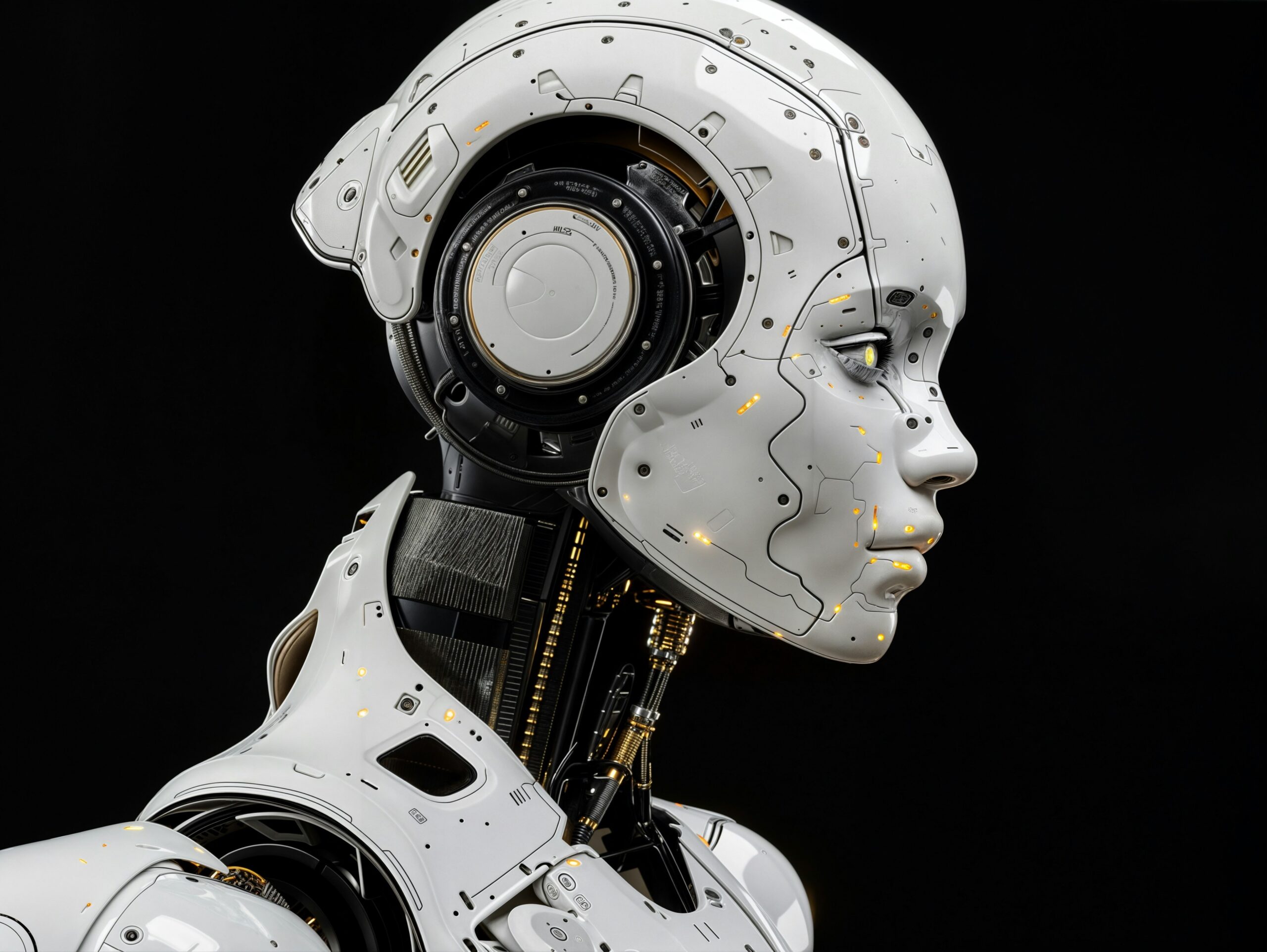
A new Federal Communications Commission action adds foreign-produced advanced robotic devices, including humanoids and quadrupeds, as well as power inverters, to the Covered List. New models will generally be unable to receive the FCC authorization required for importing, marketing, or sale in the U.S. The restriction emerged from concerns that foreign actors might be able to steal American data by remotely hijacking them, and that foreign reliance hurts the U.S. supply chain. However, the action will not affect devices that buyers already own or the federal government’s authority to purchase such equipment.
Read more Dr. No , Starring Dr. Anthony Fauci
Although the official FCC statement makes no direct connection to Chinese humanoid bots, it is well understood that China will take the biggest hit from the ban, as the country leads the world in humanoid and quadruped technologies. “More than two million robots were operating in Chinese factories in 2024, with another 300,000 installed during the year — more than the rest of the world combined,” according to a New York Times report.
China’s commerce ministry responded to the new FCC action, stating that the rule would “severely undermine the stability of China-U.S. economic and trade relations.” Ministry spokesperson Mao Ning suggested that China could retaliate if the U.S. does not repeal the restrictions, asserting that China would take “all measures necessary” to defend Chinese businesses. Additionally, Ning claimed the FCC was “overstretching the concept of national security.”
However, a closer look at the technology suggests the FCC’s concerns are far from baseless.
Read more Forget the Singularity: Universal AI Surveillance Is Here
You may have seen these advanced humanoid bots in viral social media posts dancing to Michael Jackson music or running marathons, but their real-world capabilities extend much further. These advanced machines feature advanced spatial and visual surveillance capabilities, including an advanced technology called LiDAR, a laser “remote sensing technology with both military and civilian applications,” according to the Foundation for the Defense of Democracies. This advanced system allows robots to gather and record all information they experience from their surroundings.
Considering these features, the FCC is understandably concerned about U.S. cybersecurity. The agency fears that such robots could be exploited as Trojan horses by foreign intelligence services. The FCC states in its official document on the ban that bad actors could leverage the data these robots collect “to surveil Americans [and] enhance the capabilities of foreign intelligence services.” The agency also warned of the potential ability to “remotely commandeer the robots.” Furthermore, the FCC highlighted the economic risks of relying on “the whims of foreign entities that could disrupt or degrade supply chains at a time of their choosing.”
Rather than an “overstretch” of national security, the new action represents a proactive stance to ensure that tomorrow’s technological marvels do not unintentionally become dangerous foreign intelligence assets.
Read more Don’t Forget How Florida Defeated ‘Faucism’ and Vindicated Federalism
READ MORE from Caroline Petersen:
Congressional Hearing Over Smithsonian Wokeness
Nixon Goes Viral
Anti-ICE Extremist Sets Fire to Federal NYC Building
About the Author