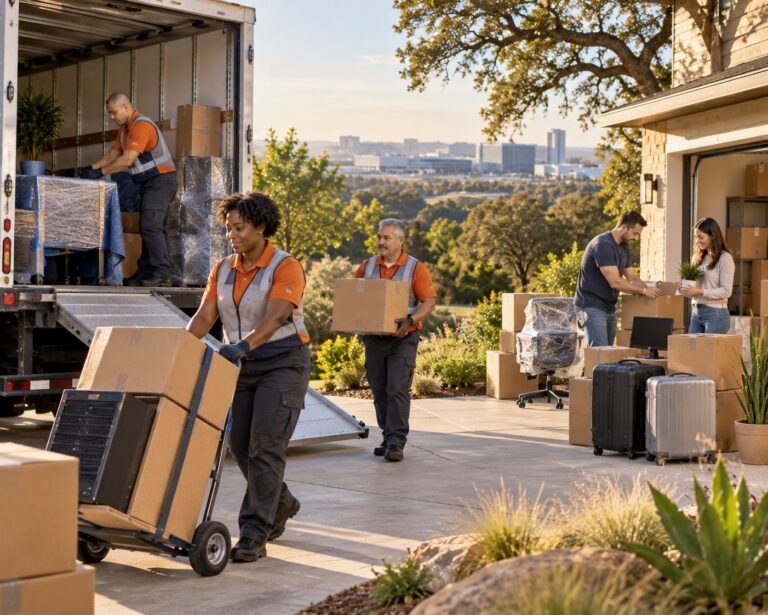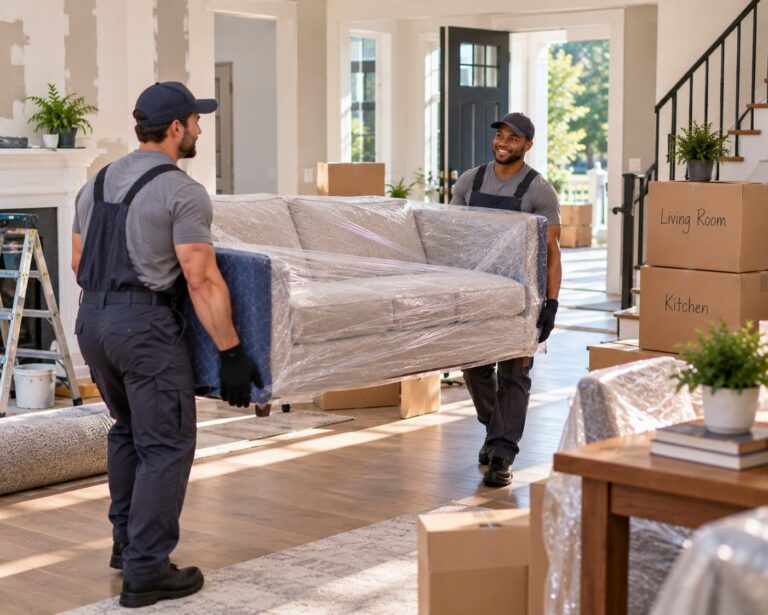
Packing a large home is a very different task from preparing a studio apartment. Dozens of rooms, bulky furniture, fragile decorations, electronics, clothing, kitchenware, and countless small possessions can turn an apparently simple move into a major organizational project. The challenge is not just putting things into boxes, but deciding what goes where, how each item should be protected, and how everything can remain identifiable afterward.
Professional assistance can bring structure to this process. Price Movers provides moving solutions for different household relocation needs, including packing assistance. Its broader moving services can be explored at https://pricemovers.com/ when planning the scale of support required for a large household.
Large Homes Require a Different Packing Strategy
The bigger the property, the easier it is for an unplanned packing process to become disorganized. Moving from room to room without a system can leave half-packed spaces, misplaced belongings, and boxes with unclear contents.
Every Room Presents Its Own Challenge
A kitchen may contain hundreds of small and fragile objects, while a home office can have computers, documents, cables, and delicate equipment. Bedrooms contain clothing and personal possessions, whereas living areas may include mirrors, artwork, lamps, and large decorative pieces.
Professional Packing allows these differences to be addressed individually instead of forcing every item into the same packing method.
Volume Also Affects Timing
Packing a large home can take considerably longer than homeowners initially expect. Sorting, wrapping, boxing, labeling, and preparing furniture all require time. Professional packers can approach these activities as a coordinated workflow, helping reduce the amount of preparation left for the homeowner.
Protecting Fragile and Valuable Belongings
Large relocations frequently involve possessions that cannot simply be placed into ordinary cartons.
Glass, Artwork, and Decorative Pieces
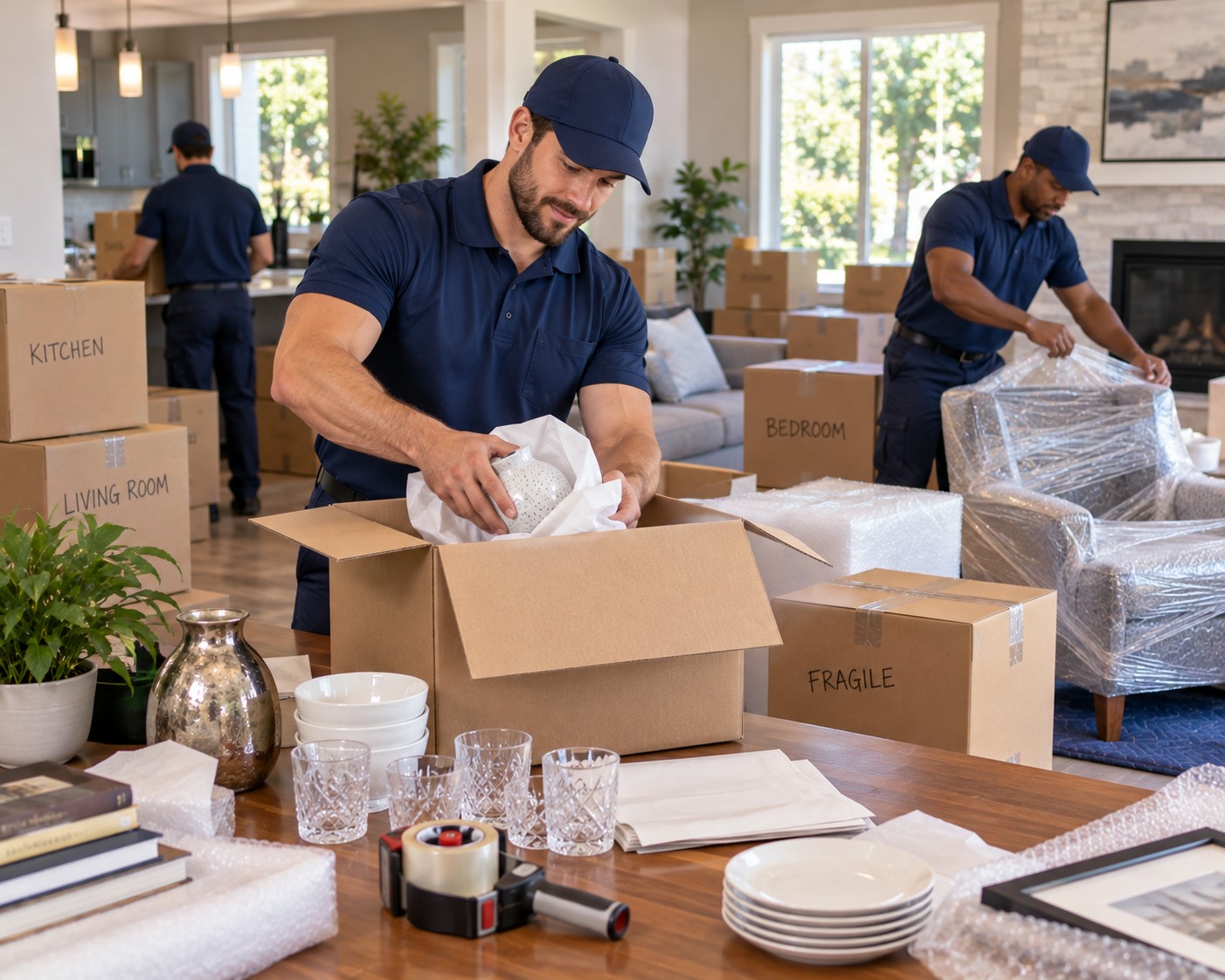
Mirrors, framed pictures, ceramics, collectibles, and glass objects need protection against impacts and movement. Appropriate wrapping, cushioning, corner protection, and properly sized boxes can reduce unnecessary pressure on vulnerable surfaces.
Rather than placing several delicate objects together without separation, professional packing methods focus on creating individual protection and stable positioning.
Electronics Need Careful Preparation
Televisions, monitors, computers, printers, and other electronics can be difficult to pack when their original boxes are no longer available. Protective materials can help shield screens, corners, cables, and other sensitive components.
Keeping accessories together is equally important. Cables, remotes, adapters, and detachable parts should be identified so that equipment is easier to set up after delivery.
Saving Time Without Sacrificing Organization
One of the main advantages of professional packing is that it removes a large amount of repetitive work from the homeowner’s schedule.
A Room-by-Room Workflow
Instead of packing randomly, a professional team can establish a logical sequence. Rooms that are rarely used can be completed first, while everyday necessities remain available until the final stages.
This can be particularly useful for families who must continue working, preparing meals, caring for children, or managing other responsibilities during the relocation.
Consistent Labeling Makes a Difference
Boxes should be identified clearly by room and general contents. Fragile cartons can receive additional markings, while essential boxes can be separated for easy access.
This organization becomes valuable during unloading because movers can direct boxes toward their intended rooms instead of creating piles throughout the new property.
Heavy and Unusual Items Need Additional Planning
Not everything belongs in a standard cardboard carton. Large lamps, oversized decorations, appliances, mirrors, artwork, and awkwardly shaped possessions may require different protection.
Professional Packing can include selecting suitable materials, preparing individual objects, and protecting surfaces before larger items are moved. Furniture may also need to be wrapped or partially disassembled so it can be transported more safely through doorways and corridors.
Large Moves Benefit From Preparation Before Moving Day
A well-packed home changes the character of moving day. Instead of having a team arrive while dozens of possessions are still scattered around the property, boxes can already be sealed, labeled, and organized.
Price Movers presents packing as one of the services available for household relocations and notes that professional movers can pack an entire home or focus on selected items depending on the customer’s requirements.
The Service Does Not Have to Cover Everything
Homeowners do not necessarily need to delegate every packing task. Some may prefer to pack books, clothing, or basic household goods themselves while hiring professionals for fragile possessions, electronics, artwork, or particularly demanding rooms.
This flexible approach allows the level of assistance to match the complexity of the relocation.
A More Manageable Start in the New Home
Packing correctly also affects unpacking. Clearly identified cartons make it easier to prioritize bedrooms, kitchens, bathrooms, and other essential areas after arrival. Instead of opening boxes at random, homeowners can work through the new property in an organized sequence.
For a large household, the real benefit of professional packing is therefore not simply speed. It is the combination of protection, consistency, planning, and reduced physical workload. When hundreds of belongings must be prepared for transportation, a structured packing process can make the entire relocation considerably easier to manage.
About the Author