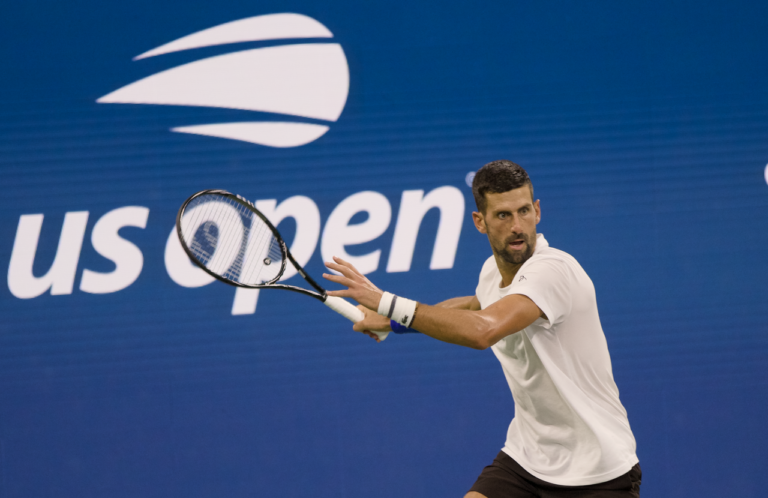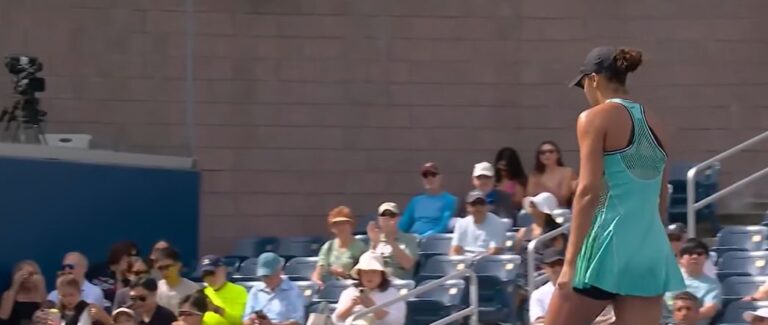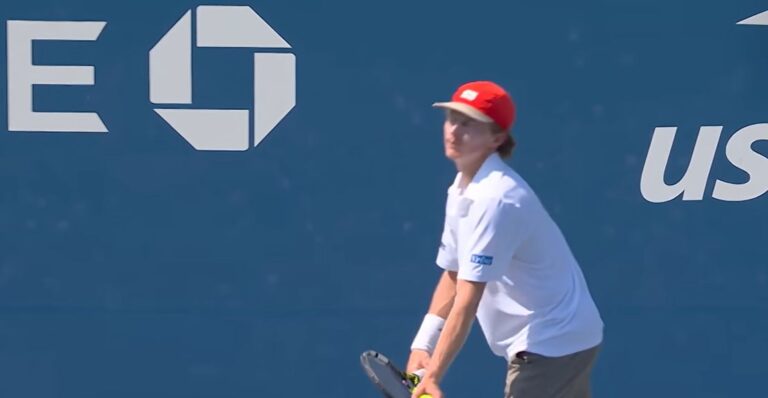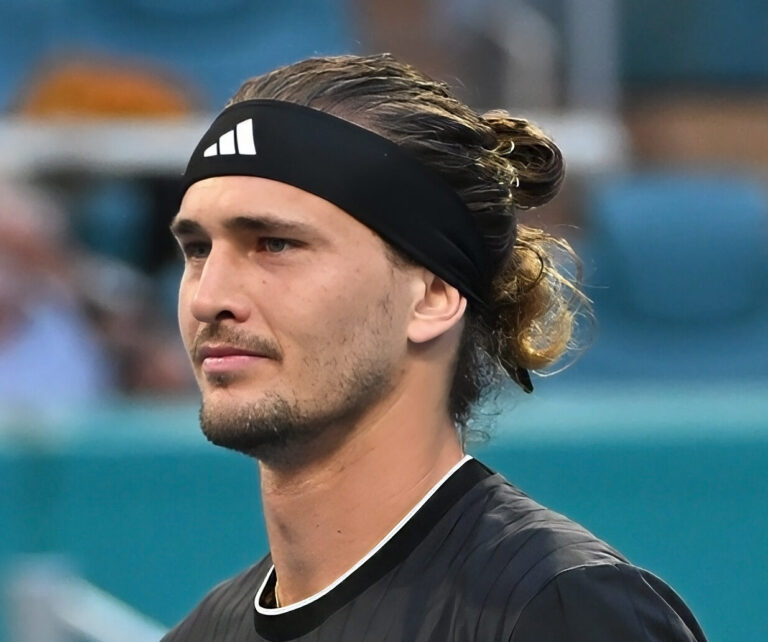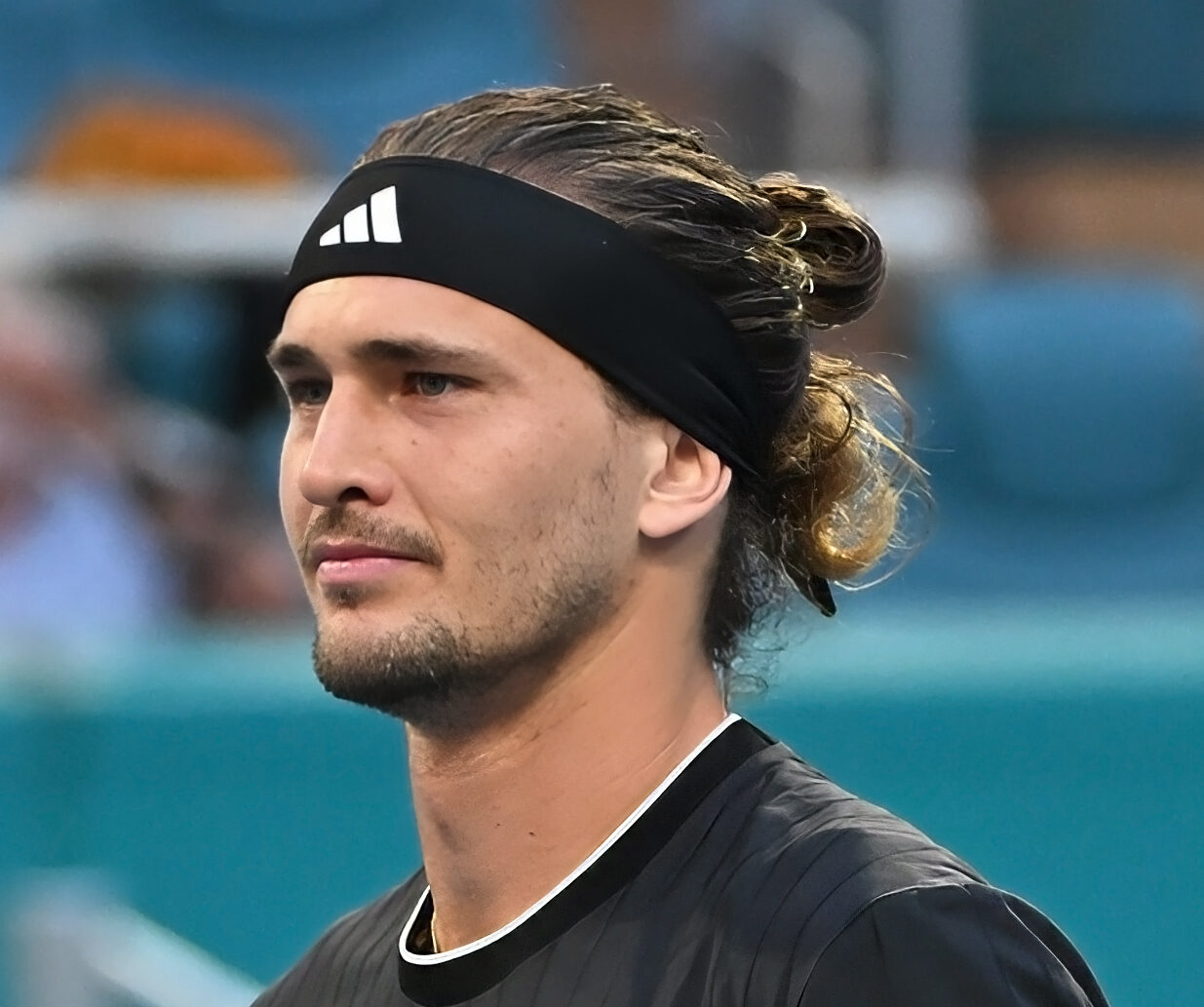
American men’s lack of success on the Slam circuit of pro tennis continued as Alexander Zverev maintained his masterful discipline against Ben Shelton at Sunday’s final. But Americans did well overall, with several Americans reaching the quarters and semis, perhaps spurred on by excellent, if likewise ultimately disappointing, efforts by American women.
Read more The AI Revolution Arrives
After taking a two-set lead, Zverev lost the third, but even there you could sense he did so, if not on purpose, obviously, but in keeping with his strategy. Down 0-2, Shelton had his back to the wall and was showing the strain of an absolutely astonishing fortnight. By contrast, Zverev, after a rough start in the first two rounds, had been carefully husbanding his energy. Forcing him to go all-out to take the third set by 7-5, Zverev knew, would require expending his last reserves. And sure enough, the fourth set, while it surely included many close points, was not the contest the first three had been.
No American man has won a major — one of the four Slams — since Andy Roddick’s win at Flushing Meadows in 2003. (Zverev had the grace, or the wit, to mention in his trophy speech that this should not be cause for despair; his win was Germany’s first major since Boris Becker’s Australian Open win in 1996.)
However, the Americans put on one of their stronger shows of recent years, and none better than Ben Shelton. He beat the defending champion, Carlos Alcaraz, in a quarterfinal thriller that lasted all night and into the morning by the time he closed the match with a 149 mph ace. In the semis, he beat his friend and compatriot Frances Tiafoe, who had beaten their mutual friend and compatriot Alex Michelsen. By then, Taylor Fritz and Tommy Paul were out of the running, but they are always contenders as well, and there are promising others, such as Michael Zheng and Learner Tien. The American bench is deep, and there were promising juniors, notably the winner, Marcel Latak.
Of course, there were high expectations for Shelton, a teenage prodigy from a tennis-playing family. His father Bryan, who played on the tour, coached him at Florida (NCAA champs when he was on the team) and now heads his team. At only 23, he can only improve his game, and that is saying something for someone who beat Carlos Alcaraz in a quarterfinal. The question, rather, is whether the tour’s overlong and thus injury-prone schedule is going to be rethought, as many players and observers have suggested for many years.
Shelton plays tennis like the high school and college jock he was and in some respects remains, with a style that is loud and brash and top-that-if-you-can. He plays with the generosity that comes from neither giving nor expecting any gifts from his opponents. He gets angry when he thinks gamesmanship is used against him; he picks himself right up when a smash knocks him down, but he stands up and moves on. And he comforts his defeated opponents with the same simple sincerity that he congratulates those who best him. He is the image of an all-American.
Read more Hasan Piker
When Chris Eubanks asked him how he felt about being the first black American to reach the final since Arthur Ashe in 1972, he responded that he is American, grateful to his parents, thankful for a merciful God that had got him this far.
Two days later, he thanked Alexander ‘Sascha’ Zverev for playing so well and being such a model of hard work and perseverance. Zverev’s triumph was indeed a while coming, and it caps a great season wherein he also won his first major at the French Open.
The U.S. Open has walked a cautious line between political correctness and patriotism. A Pride Day — that is, for recognizing the essential humanity of persons with gender eccentricities — takes place during the first week, as does Lt. Joe Hunt Day in honor of military veterans; Hunt was a winner at the U.S. Nationals (the predecessor of the Open) killed during World War II.
Honor guards from the New York City police and fire departments presented the colors at Ashe Stadium on Sep. 11, while, as per tradition, the Marine Corps performed the ceremony at the women’s and men’s finals on the 12th and 13th.
Sports and politics do not mix, but there is every reason for sports to have their place in the mores and memories of a nation. They belong to those memories and mores, and they are an essential factor in sustaining the unity of purpose that allows our nation to muddle through fraught and divisive times.
Read more Steelers and Faith: The Foundation Behind the Grit of the Gridiron
READ MORE from Roger Kaplan:
Tennis Thrills in Queens
Madison Keys’ U.S. Open Collapse Offers a Lesson in Winning and Losing
Gritty Play on Court 17: Dane Sweeny Stuns Lorenzo Musetti at US Open
Image licensed under Attribution-ShareAlike 4.0 International.
About the Author