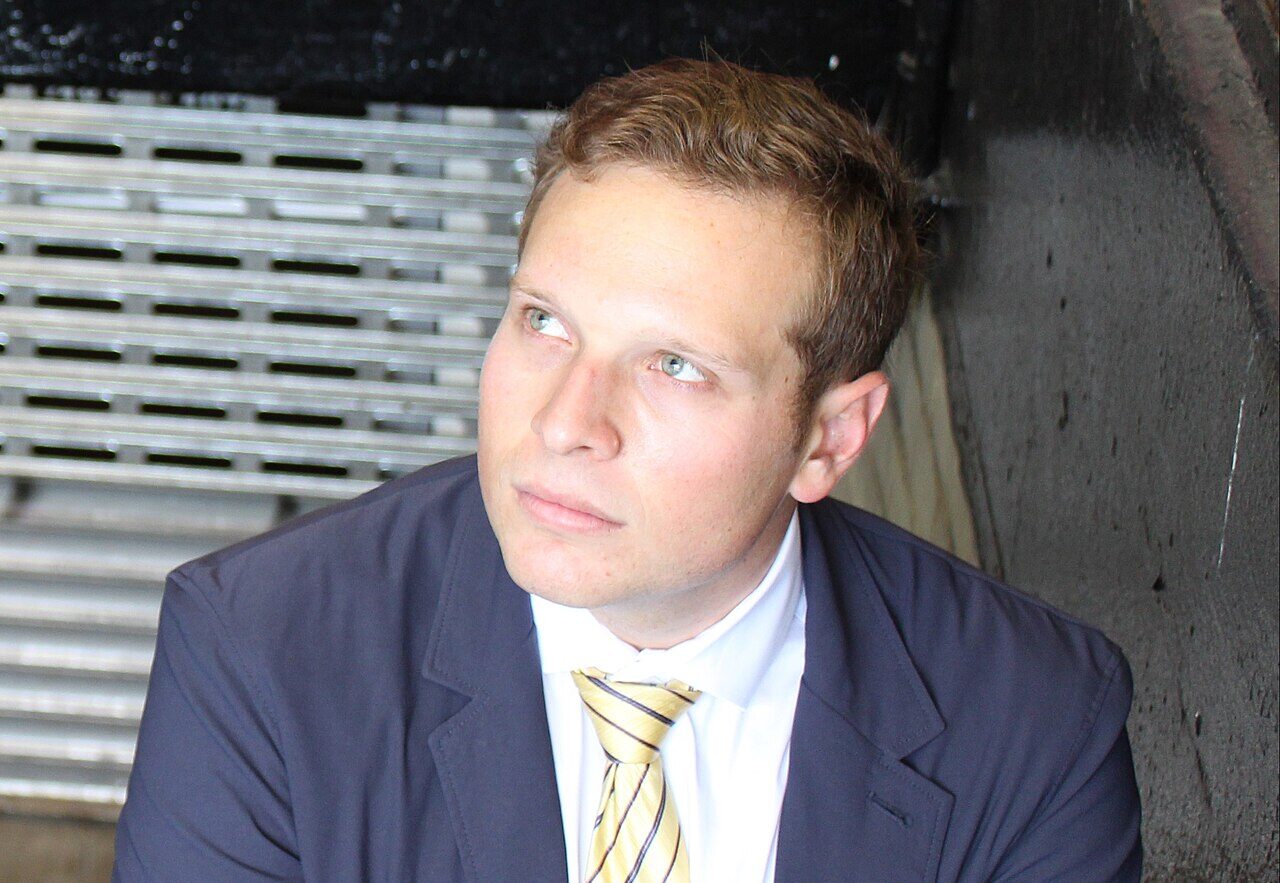
When New York Magazine finally cut ties with Ross Barkan last week after finding 67 columns lacking proper attribution of language or sourcing, the reaction by Barkan and his far-left brethren was predictable: hand-wringing about a “mutual decision,” carefully worded regret about citation carelessness, and reflexive progressive solidarity. Spare us. Those who watched Barkan operate in Brooklyn politics years ago and later watched him lecture from progressive platforms won’t be shedding any tears.
Read more Todd Blanche and the Justice Department Independence
Barkan’s record of selective outrage was on display long before his national bylines. In the 2018 Democratic primary for a state Senate seat covering the Bay Ridge area in Brooklyn, he ran against Andrew Gounardes and lost. At the time, as a local Republican candidate for City Council the previous year, I publicly questioned Barkan’s far-left positions and fitness for a traditionally middle-of-the-road district.
He treated disagreement as moral failure, and opponents as villains.
Barkan’s immediate response was pure character assassination: he branded me anti-immigrant for raising concerns about the impact of illegal immigration on schools, housing, and community resources in my council race. It was the classic progressive smear playbook. The charge was slanderous. He treated disagreement as moral failure, and opponents as villains.
Barkan continued to build a brand as a high-minded progressive voice who applied moral clarity exclusively leftward. Republicans were fair game for harsh judgment. He quit the New York Observer over its Trump associations, positioned himself as a fierce critic of the right, and became one of the most reliable boosters of Zohran Mamdani, who incidentally was his former campaign manager from that same 2018 race. Mamdani’s rise only amplified his platform. His writings were sharp, partisan, and self-assured. What it was not, according to New York Magazine’s independent review, was always original in its language and sourcing.
The scandal began in May when Washington Post reporter Drew Harwell flagged near-identical paragraphs in Barkan’s piece on Ben Shapiro and the Daily Wire. National Public Radio’s Bobby Allyn and others soon found more examples, including passages resembling material from The Intercept and Compact Magazine. Barkan’s initial response on X and elsewhere was denial and defiance: hyperlinks and name-checks were sufficient citation; the whole thing was “ridiculous”; he stood by his record.
Only after a three-month review turned up problems in 67 columns did the tone shift to a limited apology. He posted on X, “there were times I should have been more careful with citation” and suggested that ending the relationship with New York Magazine was mutual.
Read more Republicans Can’t Win Telling Only Half the Story
That sequence matters. Journalists who spend years policing others’ ethics, motives, and language rarely extend the same charity to the targets of their hit pieces. Barkan spent years diagnosing half the country as a moral problem. When the standards he applied to others applied to him, the first instinct was minimization. Plagiarism is not a footnote. It is a breach of the trust readers place in an author’s work.
New York Magazine did the right thing by reviewing the archive, updating the pieces, and ending the relationship. Barkan will continue writing elsewhere, including for The Nation, which is fine (though maybe not for long). The marketplace of ideas is large. But the notion that this episode is merely a technical citation spat, or that sympathy is the required response, misunderstands the stakes.
Journalism’s credibility rests on the distinction between original work and borrowed language. Sixty-seven failures is not just an oversight.
Those who tangled with Barkan in local politics saw the selective outrage early. Others discovered it later through his pieces. Either way, the record is one-sided: vigorous in accusation, reluctant in accountability. No one owes tears for that. The only debt is to the standards that should have been observed in the first place.
READ MORE from Bob Capano:
The Erasure of Mother and Father in New York
Blakeman Vows Pardon for Convicted NYPD Sergeant
Restoring the Rule of Law: Why Lee Zeldin Belongs at the DOJ Helm
Bob Capano has been an adjunct political science professor for 25 years, and has worked in senior positions for New York Republican and Democrat elected officials. X: @bobcapano
Read more The Spectator P.M. Ep. 239: Socialist Emily Gallagher Justifies Stealing As ‘Crimes of Poverty’
About the Author